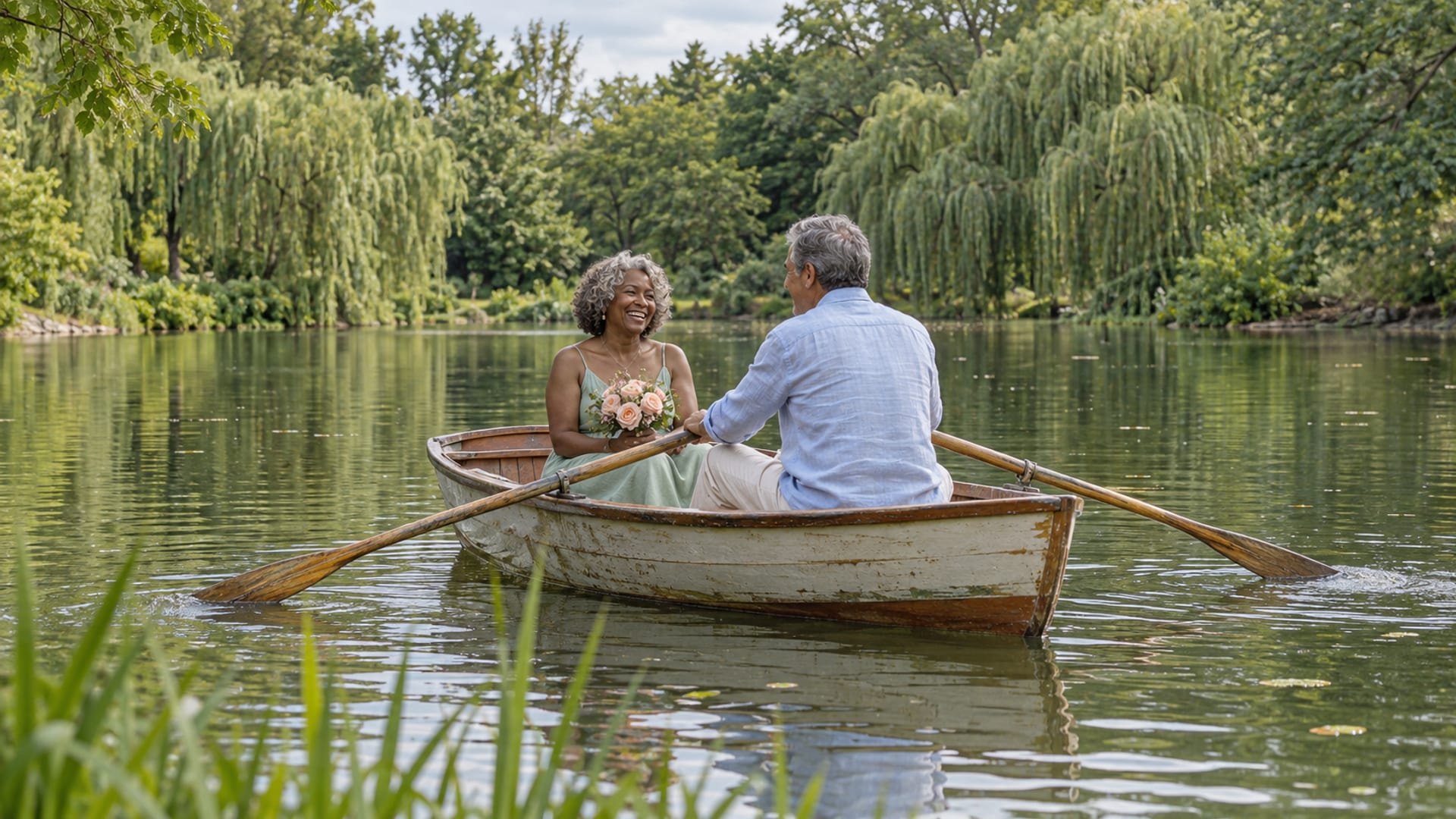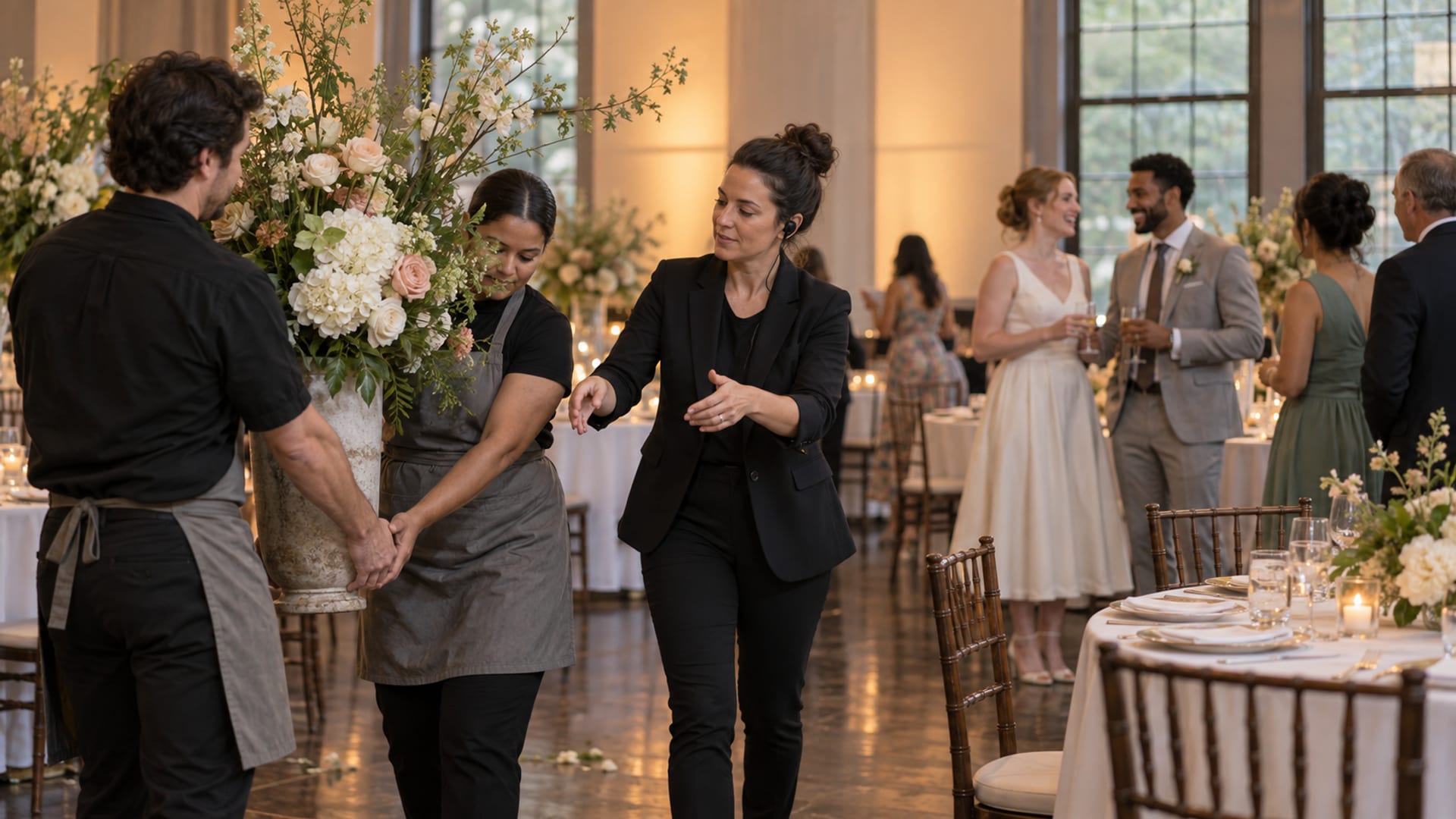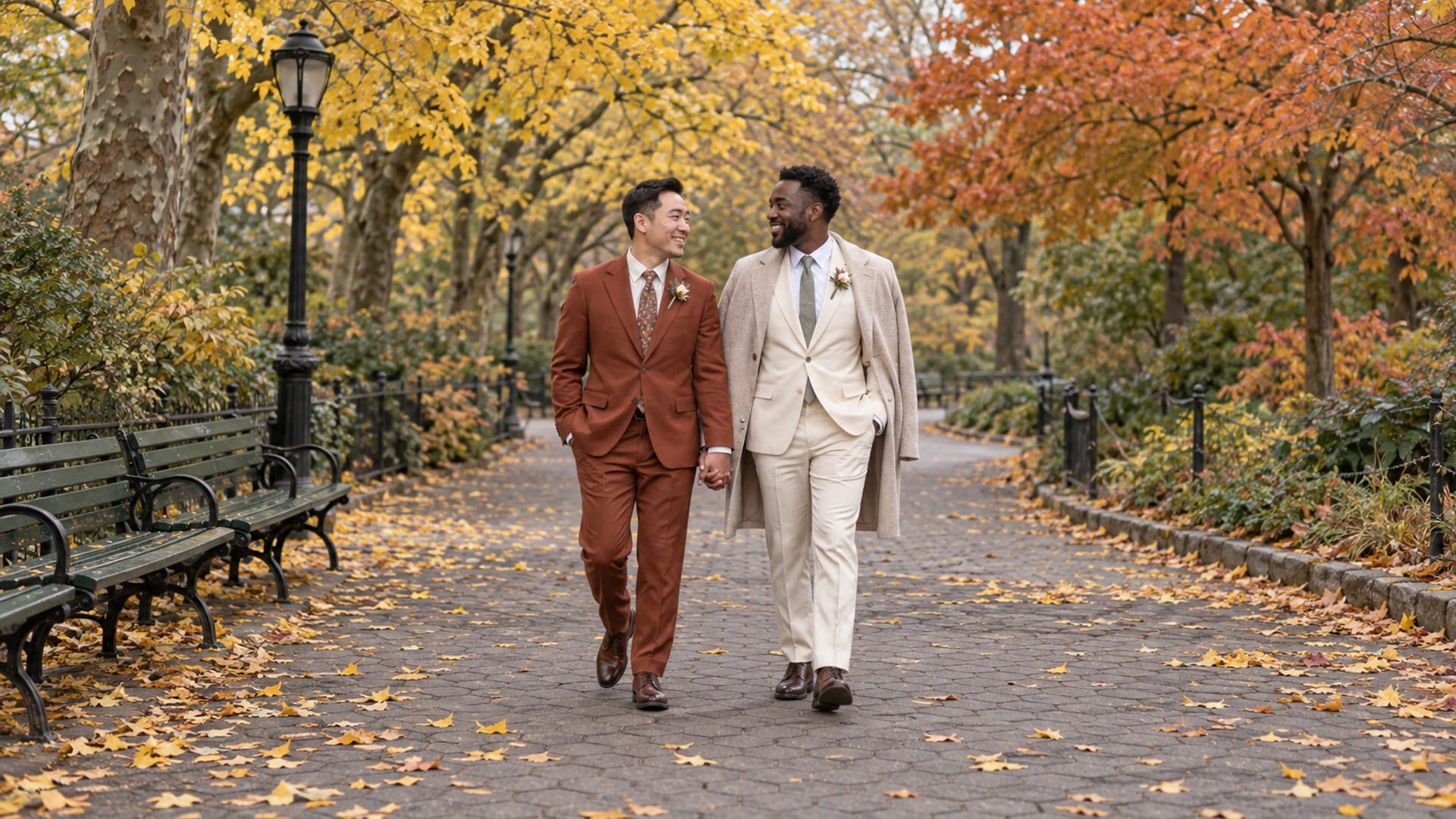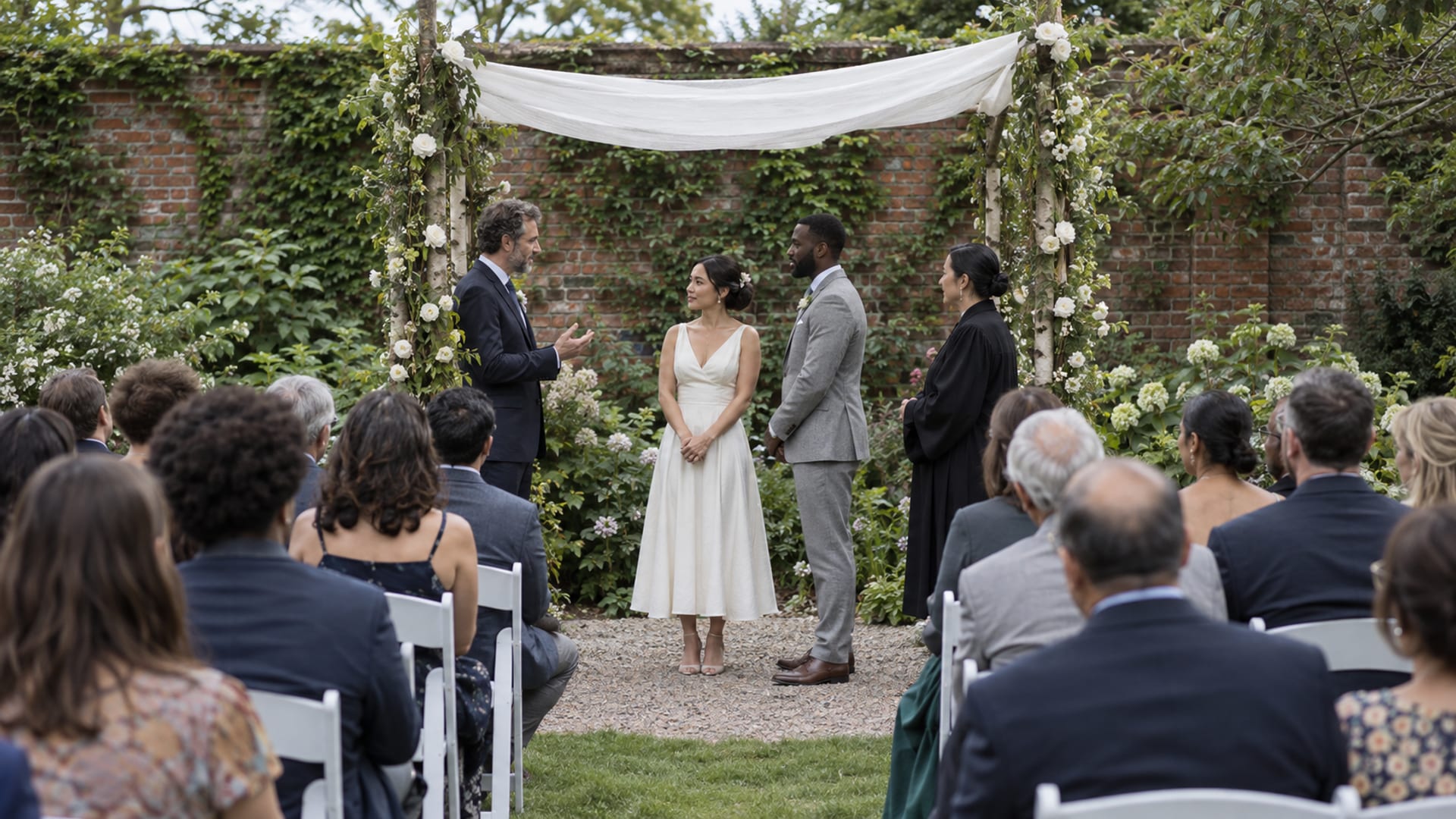
An interfaith wedding in New York City is legal with a civil, secular or religious ceremony, as long as an authorized officiant performs it, at least one witness is present and your marriage license is completed. New York Domestic Relations Law § 11 doesn't ask the two of you to share a religion, and anyone officiating inside the five boroughs registers with the City Clerk first. The real planning question is religious, not legal: each faith body and each officiant sets its own rules about co-officiants, venues, preparation and rituals, and some need months of lead time. The Archdiocese of New York asks Catholic couples marrying someone of another faith to begin at least six months ahead.
Key takeaways
Tap a card to bring it forward.
- New York law cares about an authorized officiant, your license and a witness, not about which faiths you practice.
- Anyone performing a ceremony inside NYC registers with the City Clerk before the wedding, including out-of-state clergy.
- City Clerk ceremonies are civil only, with no religious content, so rituals and prayers need a private officiant.
- Each tradition sets its own rules: Catholic couples need permission or a dispensation, and Conservative/Masorti rabbis don't officiate at interfaith weddings.
- A park ceremony with more than 20 guests needs an NYC Parks permit: $25, filed at least 21 days ahead.
- Settle early who performs the legal part and signs the license, especially with two clergy.
What makes your marriage legal in New York, whatever your faiths
The legal side is the same for every couple. The New York State Department of Health's guidance on getting married says there's no particular form or ceremony required beyond the two of you stating, before an authorized officiant and at least one witness, that you take each other as spouses. That leaves you free to hold a civil ceremony, a spiritual one, or a fully religious service from one or both traditions.
Domestic Relations Law § 11 lists who may solemnize a marriage. The categories that matter most for interfaith couples are a clergy member or minister of any religion, leaders of Ethical Culture societies, certain judges and public officials, members of the State Legislature, and a one-day marriage officiant designated under § 11-D. The officiant doesn't have to live in New York, according to the state guidance, but anyone performing a ceremony inside New York City must register with the Office of the City Clerk before the wedding.
The license itself comes from the City Clerk, and the paperwork doesn't change for mixed-faith couples. For the steps, fees and waiting period, go to The NYC Marriage License, Step by Step, and for officiant eligibility in detail, Who Can Officiate a Wedding in NYC.
Which officiant arrangement fits your ceremony
Most interfaith couples land on one of five setups, and the right one depends on how religious each side wants the day to be.
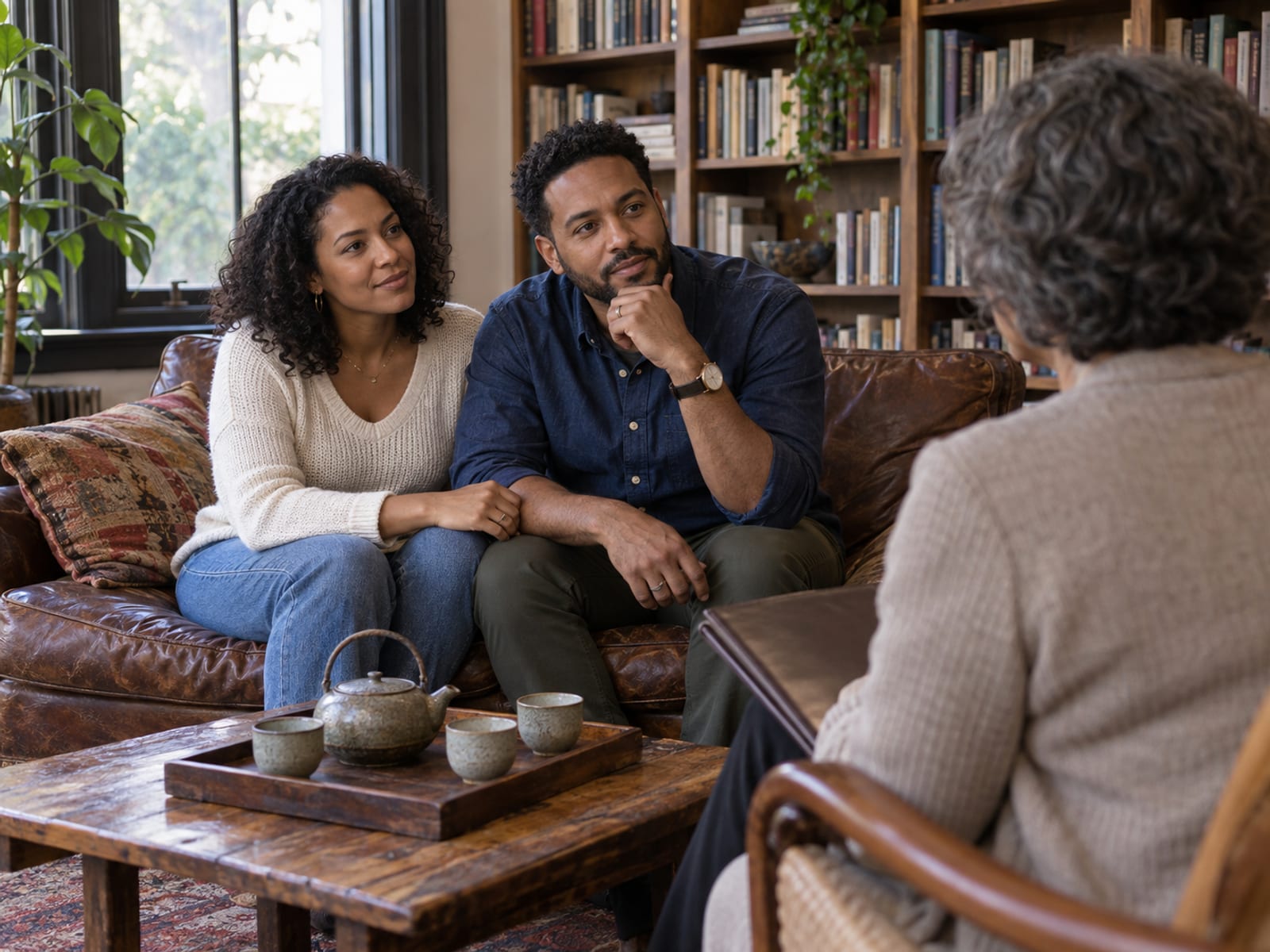
One interfaith officiant. A single minister, rabbi or celebrant who works with couples from different backgrounds writes a ceremony that draws on both traditions. This is the simplest arrangement for the license, since one registered person solemnizes and signs.
Two clergy together. A rabbi and a priest, or a minister and an imam, share the ceremony. Whether this can happen is up to each clergy member and each faith body, so ask both before you plan around it.
A neutral celebrant with clergy or family joining in. An Ethical Culture leader, humanist celebrant or interfaith minister leads, while a family member, a priest or a cantor offers a blessing or reading. The New York Society for Ethical Culture describes its ceremonies as spiritual but not necessarily religious, and its officiants are authorized in New York, New Jersey and Connecticut.
A friend with a one-day officiant license. Someone who knows you both can be designated under § 11-D, which works well for a secular or culturally blended ceremony. They still register with the City Clerk for a ceremony inside the city.
A City Clerk ceremony. The Marriage Bureau's chapel ceremonies are civil only and, under NYC Marriage Chapel Rule § 3-04, contain no references to religion or deity. It's a quick way to become legally married, with any religious or cultural ceremony held somewhere else.
Whatever you choose, settle one thing early: who performs the legal part and signs the license. With two clergy, that should be one named, registered person, and everyone should know it before the rehearsal.
What each tradition's own rules add
Legal validity and religious recognition are separate questions. A ceremony can be fully legal in New York and still not be recognized by a faith body, so check the rules of each tradition you want to honor.
Catholic. The Archdiocese of New York says a Catholic marrying a non-Catholic needs formal permission or a dispensation, and recommends starting preparation at least six months before the wedding. There can be only one marriage ceremony. In a Catholic church, the priest presides and a non-Catholic minister may offer prayers and a blessing; in another church, that minister presides and a priest or deacon may offer a prayer and blessing. Permission for an outdoor or nonreligious location is limited to special circumstances when the other partner is Christian, and to truly extraordinary ones when the other partner isn't.
Reform Jewish. Reform Judaism says most Reform clergy officiate for interfaith couples, but each rabbi or cantor decides individually.
Conservative/Masorti Jewish. The Rabbinical Assembly's 2024 guidance says its rabbis and cantors may not officiate at interfaith weddings, in any form of officiation or type of ceremony. If a Conservative family wants Jewish content, a Reform rabbi or an interfaith officiant is the usual route to ask about.
Episcopal. The Episcopal Church publishes interreligious resources but no single wedding policy for the city. The parish and the priest decide, so contact them directly.
Muslim, Hindu, Buddhist, Sikh and other traditions. Ask the relevant national or local faith authority, and then the individual officiant, whether they'll lead or take part in an interfaith ceremony. Policies vary from one community and one officiant to the next.
Tap or hover a row to highlight it.
| Tradition | What it says |
|---|---|
| TraditionCatholic | What it saysFormal permission or a dispensation; start preparing at least six months ahead; only one marriage ceremony |
| TraditionReform Jewish | What it saysMost clergy officiate for interfaith couples; each rabbi or cantor decides |
| TraditionConservative/Masorti Jewish | What it saysRabbis and cantors may not officiate at interfaith weddings |
| TraditionEpiscopal | What it saysNo single wedding policy for the city; the parish and the priest decide |
| TraditionMuslim, Hindu, Buddhist, Sikh and others | What it saysPolicies vary; ask the faith authority and the officiant |
If you also want clergy who welcome same-sex couples, that's a separate question from interfaith acceptance. The LGBTQ+ weddings guide covers it.
How to blend two traditions in one ceremony
A blended ceremony usually alternates pieces from each side so both families hear something familiar. Couples combine readings and blessings from each tradition, music from both families, and vows or readings in more than one language. An English and Spanish ceremony works well when grandparents or one side of the family are more at home in Spanish; many couples have the officiant speak in both, or give each reader the language they know best, and print a short program so guests can follow.
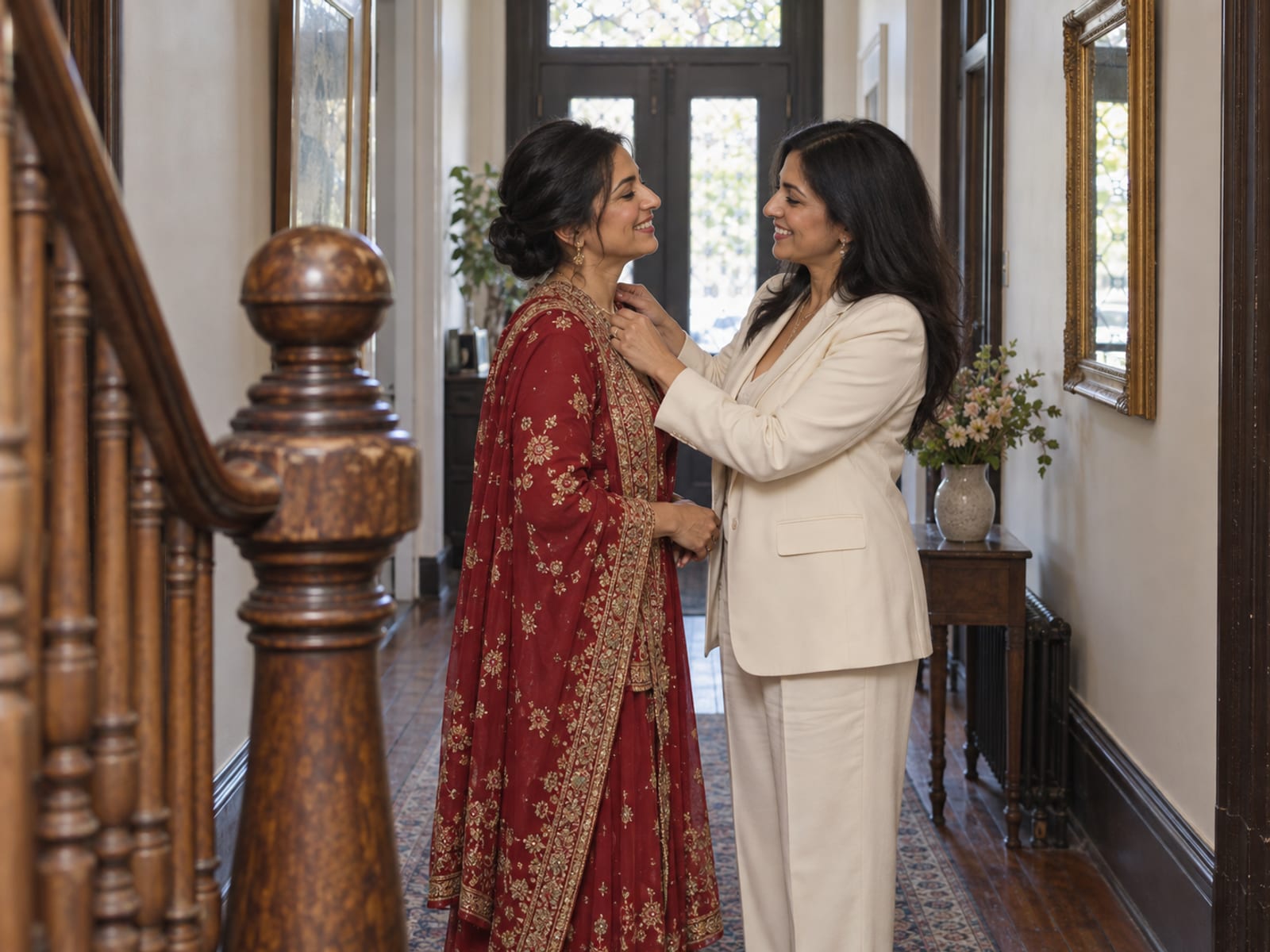
Ritual pieces travel well between traditions. Reform Judaism notes that a chuppah can be raised anywhere, including outdoors, and couples pair it with another tradition's readings. Others add a unity candle, a ring exchange, breaking the glass, a tea ceremony, a wine ritual or a family blessing, and some hold a private ketubah signing before the public ceremony. Giving parents and grandparents a reading, a blessing or a place in the procession often matters as much as the rituals themselves.
Before you lock anything in, ask each side a simple question about every ritual: is it cultural, religious or both, and is it all right to use it this way? Something one family sees as a custom may carry real religious meaning for the other, and the answer shapes whether a ritual belongs in the ceremony, the reception or a separate moment.
One ceremony or two
You don't have to fit everything into a single hour. Couples choose among three shapes.
A blended ceremony brings both traditions together on one day, with one officiant or two. It suits clergy who allow it and families comfortable sharing the space.
The legal ceremony first, and the religious or cultural one later, is common when a faith's rules make one joint ceremony hard. You marry legally at the City Clerk or with a registered officiant, then hold the celebration that matters to your families on another day. Check the religious side first, though: the Archdiocese, for example, says there can be only one Catholic marriage ceremony, so ask any clergy involved how they view a ceremony held after a legal marriage.
Two ceremonies on different days, one in each tradition, lets each family have its own service. Plan which one is the legal ceremony, since only that one needs the license signed.
If you're already legally married and want the cultural or religious celebration now, the vow renewal guide covers that route.
Which NYC venues can work
Your venue has as much say as your officiant, because its written rules decide who can lead, which objects you can bring and how long you have.
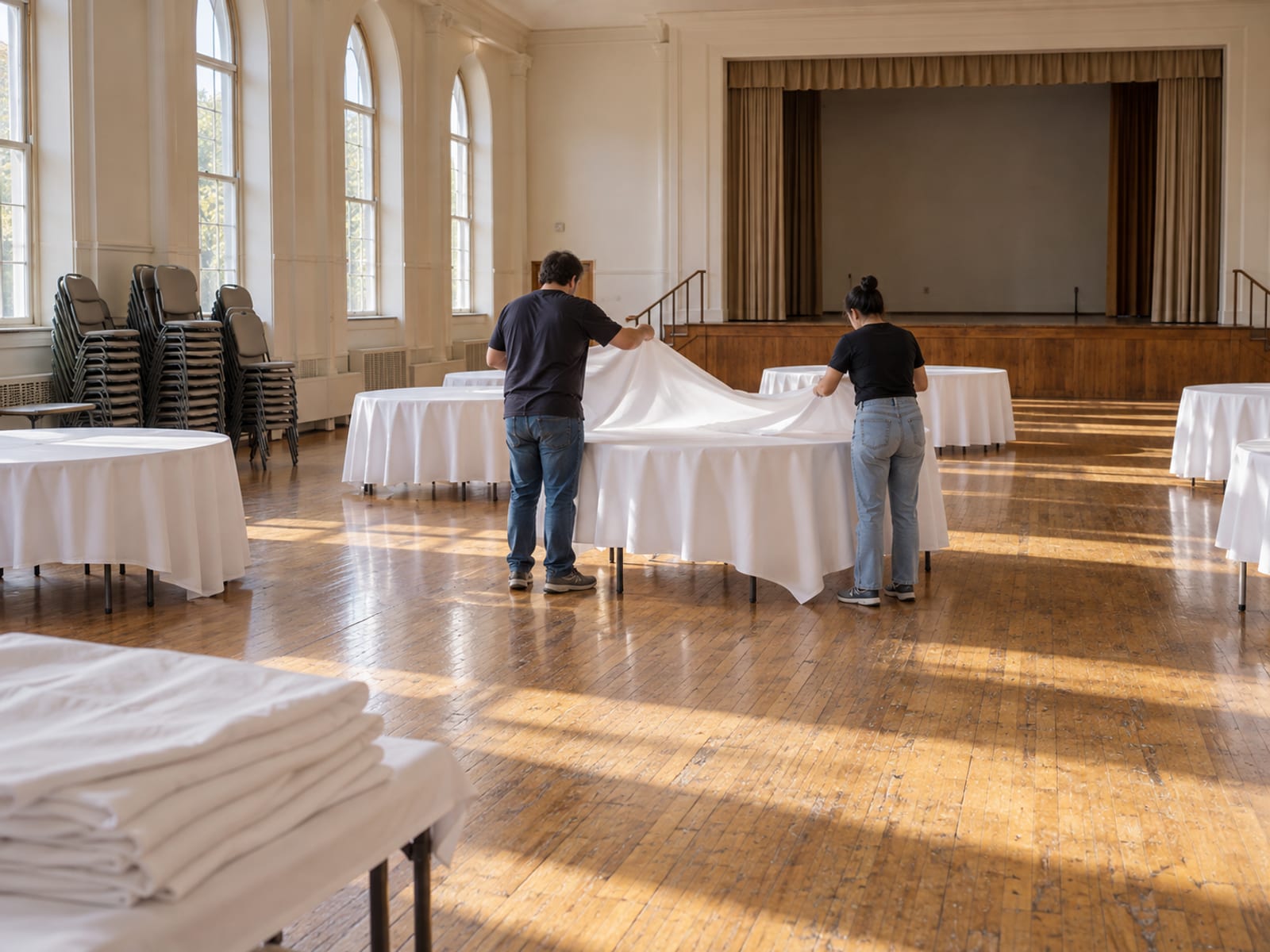
Houses of worship. Some welcome interfaith ceremonies. Holy Trinity Episcopal Church in Manhattan says couples may request a Christian or interfaith wedding, with one of its clergy planning the ceremony with you, and rents its church, garden and parish hall with fees that depend on size and staffing. Catholic ceremonies follow the location rules above.
Ethical Culture. The New York Society for Ethical Culture offers ceremonies that are spiritual but not necessarily religious, and its legal ceremonies count as religious rather than civil for legal purposes. Ask it directly about current venue fees.
Hotels, restaurants, event spaces and homes. These give you the most freedom over content, but read the contract for outside officiants, candles, incense, sound, food, insurance, guest limits and ceremony hours.
Parks. NYC Parks requires a special-event permit for more than 20 attendees, and suggests one even for smaller groups if you want amplified sound, a temporary structure such as a chuppah or mandap, or a reserved spot. The processing fee is $25, nonrefundable, with possible extra fees for sound or tents, and you apply at least 21 days before the wedding. Getting a Park Ceremony Permit in NYC walks through the application.
Quick check: legal and venue rules
Answer every question to check.
What it costs and what the fee covers
Interfaith officiants mostly quote individually, so treat any number as one example. One NYC rabbi, Juliet the Rabbi, lists a basic rate of $1,800 for a New York City metro-area wedding (checked September 2026). That fee includes the ceremony, three to five sessions with the couple, writing a personalized Jewish or interfaith ceremony, planning time, meetings with other clergy if needed, and a ketubah signing just before the ceremony. Confirm the current fee before booking.
Keep the officiant's fee separate from everything else in your budget. With two clergy, you'll usually pay each one. Venue rental, as at Holy Trinity, depends on size and staffing; rentals such as a chuppah or ceremony chairs are their own line; and a park permit adds the $25 processing fee plus any sound or tent fees. Catholic preparation and any required counseling or classes may carry their own costs, so ask the parish.
What to ask before booking an officiant and a venue
Ask these before you sign anything.
For the officiant
- Are you registered with the NYC City Clerk?
- Will you legally solemnize the marriage and sign the license, or take part only symbolically?
- Will you co-officiate with clergy from another tradition?
- Which prayers, language and rituals will you perform, and which won't you?
- Can you lead in English and Spanish, or in another language?
- Do you require counseling, classes, membership or a particular venue?
- What does the fee include: meetings, rehearsal, travel, ceremony writing?
- Who returns the completed license, and what's your cancellation and backup plan?
For the venue
- Do you allow outside officiants, and more than one?
- Can we bring candles, incense, a chuppah, a mandap or other ritual objects?
- What are the sound rules, and is there a microphone?
- Can we serve food from both families' traditions, and is outside catering allowed?
- What's the guest limit, and is the space accessible for older relatives?
- Do you need insurance or preferred vendors?
- What's the weather plan for an outdoor ceremony?
Talking it through with both families
Family conversations go more smoothly when you treat them as planning questions with answers you can write down. Start with who takes part: which parents, grandparents or siblings give a reading, a blessing or walk in the procession. Then work through which rituals appear and where, what language the ceremony is in, and what food is served, including any dietary rules one side keeps.
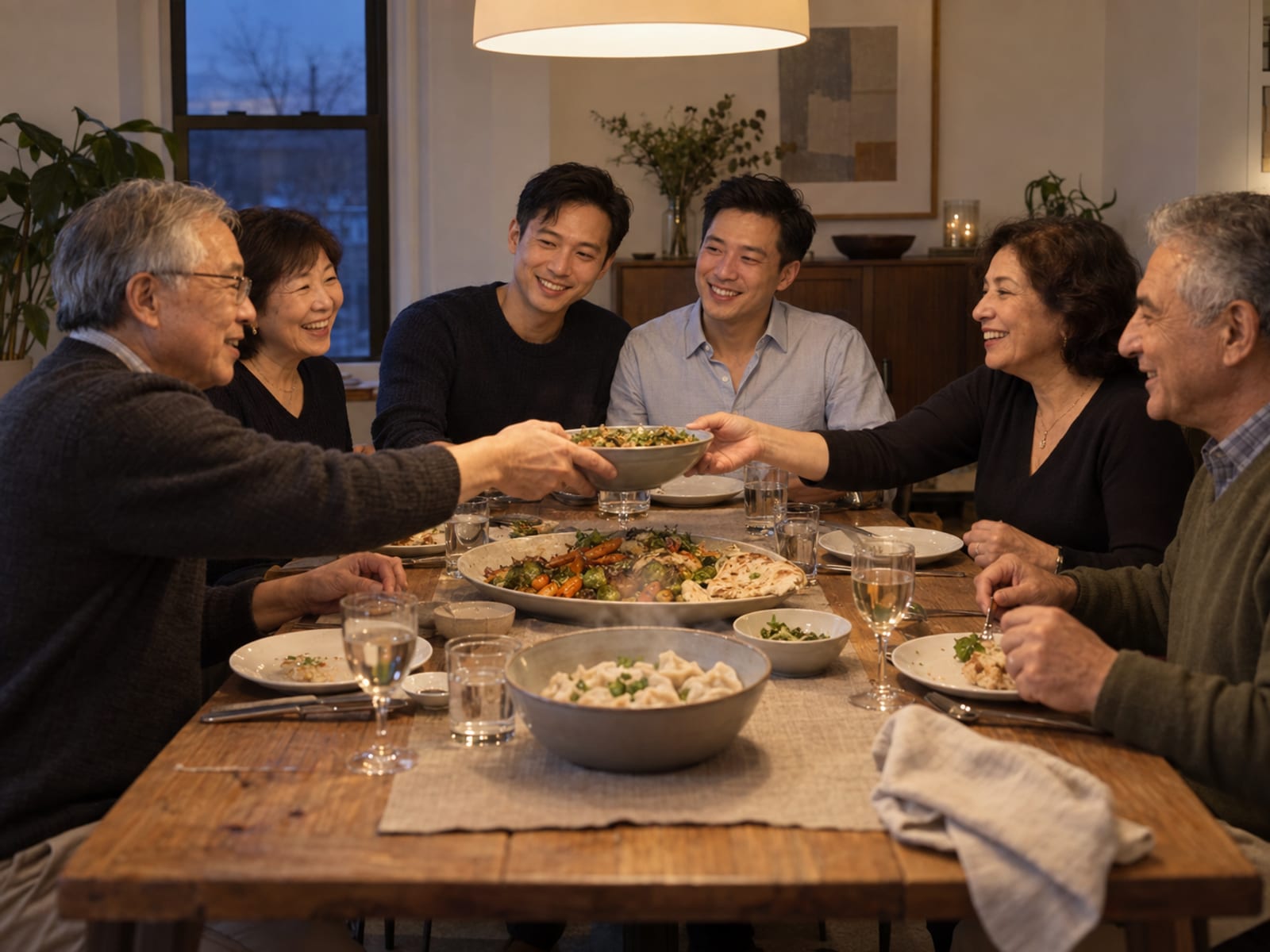
Some families will raise bigger questions at the same time. How children will be raised, which holidays you'll keep, and whether anyone expects a conversion often come up while you plan the ceremony. The Archdiocese of New York encourages open, honest talk about religious differences and future lifestyles, and its marriage preparation is built to bring those topics up. Knowing where each family stands helps you shape a ceremony both sides can follow.
Questions interfaith couples ask
These come up once the basics are settled.
Can out-of-state clergy officiate our NYC wedding?
Yes. New York's state guidance says the officiant doesn't have to be a New York resident. For a ceremony inside New York City, they still register with the City Clerk before the wedding, so start that paperwork early.
Do both officiants sign the license if two clergy lead?
The law requires an authorized officiant to solemnize the marriage, not two. Agree in advance which registered clergy member performs the legal part and signs, and let the other lead prayers, blessings or readings.
Can a Catholic wedding take place outside a church?
Only with permission. The Archdiocese of New York allows another house of worship for an interfaith wedding, while an outdoor or nonreligious location needs special circumstances if the other partner is Christian and truly extraordinary ones if not.
Is an Ethical Culture ceremony legal or just symbolic?
It's legal. The New York Society for Ethical Culture says its ceremonies are considered religious rather than civil for legal purposes, and Ethical Culture leaders are among the officiants listed in § 11.
Can we add religious readings to a City Hall ceremony?
No. Chapel Rule § 3-04 keeps City Clerk ceremonies civil, with no references to religion or deity. Couples who want both often marry at the Clerk and hold the religious or cultural ceremony separately.
Your next step
Start with the officiant, because their answers shape the venue, the date and the ceremony. Read Who Can Officiate a Wedding in NYC to confirm who qualifies, then browse the officiant directory for interfaith, bilingual and faith-specific officiants and ask each one the questions above. If a Catholic partner is involved, contact the parish now so the six-month preparation fits your date. Once your officiant is booked, The NYC Marriage License, Step by Step takes you through the license itself.