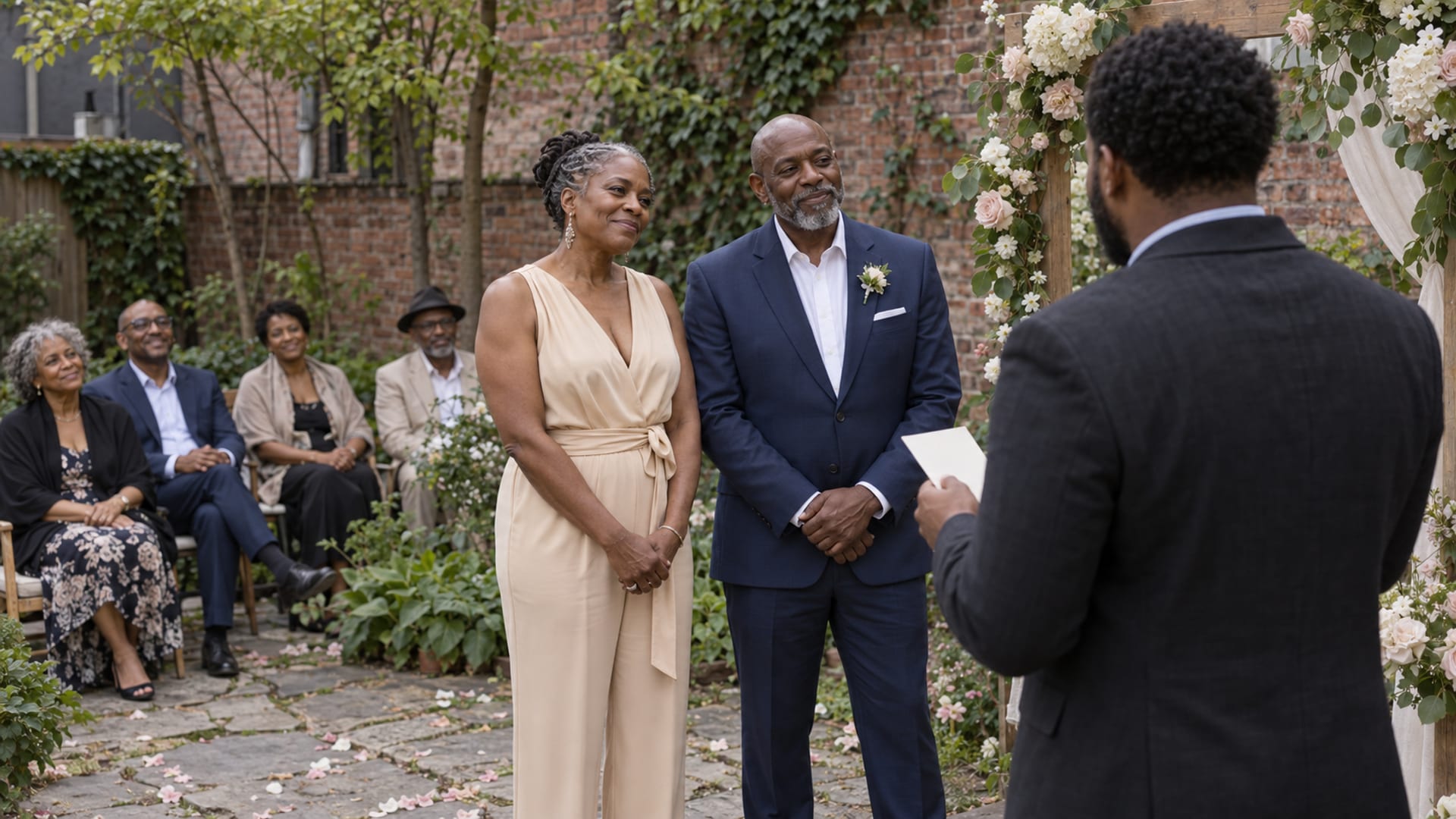
Yes, a friend or relative can marry the two of you in New York City, and two routes make it legal. The first is standard registration: someone who already counts as clergy or another officiant authorized under New York Domestic Relations Law § 11 registers with the NYC City Clerk before the ceremony, sends proof of that authority, and pays a $15 fee. The second is a $25 one-day marriage officiant license for your marriage alone; the applicant must be 18 or older, and there is no residency requirement. An online ordination still goes through City Clerk registration, with documents to back it up. On your side, you need a valid New York marriage license, you make your declaration in front of the officiant and at least one witness, and the officiant returns the license within five days.
Key takeaways
Tap a card to bring it forward.
- A friend or relative can officiate in NYC through standard City Clerk registration ($15) or a one-day officiant license ($25).
- The one-day license covers one named couple, needs no New York residency, and replaces NYC registration for that ceremony.
- An online ordination alone is not enough in the five boroughs; the officiant registers and sends proof of authority, and the City Clerk decides.
- During the ceremony, the two of you declare that you take each other as spouses in front of the officiant and at least one witness.
- The officiant signs, records the date and time, and returns the original license to the issuing clerk within five days.
- Allow time for registration: apply early and confirm approval before the day.
*This page is general information, not legal advice for your own situation.*
Who is allowed to marry a couple in New York
New York law keeps a specific list of people who can solemnize a marriage, which is the legal word for performing the ceremony that makes it official. Domestic Relations Law § 11 includes a clergyman or minister of any religion, leaders of specified Ethical Culture societies, the current or former governor, village mayors, county executives, certain mayors, city magistrates and city clerks, and a long list of federal, state, city, town, village and county judges, including retired judges. Members of the New York State Legislature can also officiate, though they may not charge or accept a fee. Certain tribal judges, chiefs and officials designated by a tribal governing body are on the list too.
The newest category is the one-day marriage officiant, designated by a town or city clerk for one specific couple. For most private ceremonies, the realistic choices come down to three: a qualifying clergy member, an eligible judge or public official, or a one-day officiant.
Two people are not on the list. A ship captain cannot perform a marriage in New York State, according to the New York State Department of Health. And the two of you cannot simply marry yourselves; the statute's written-contract route needs at least two witnesses and an acknowledgment before a judge of a court of record, which is a different process from an ordinary ceremony.
Registration or a one-day license: which fits your officiant
The route depends on who your officiant already is. If your aunt is the pastor of her congregation, or your friend is a judge, standard registration makes sense, and it keeps them registered for future ceremonies in the city. If your officiant is a friend or relative with no clergy role, and the goal is to marry the two of you and only you, the one-day license is usually the simpler path.
Tap or hover a row to highlight it.
| Standard NYC registration | One-day officiant license | |
|---|---|---|
| Who it suits | Standard NYC registrationClergy, judges and public officials authorized under § 11 | One-day officiant licenseAny adult marrying one named couple |
| Fee | Standard NYC registration$15 (NYC311) | One-day officiant license$25 (§ 11-D) |
| Age or residency | Standard NYC registrationProof of authority required | One-day officiant license18 or older, no residency requirement |
| Where it works | Standard NYC registrationCeremonies in the five boroughs | One-day officiant licenseAnywhere in New York State |
| Couples covered | Standard NYC registrationAny couple | One-day officiant licenseOnly the couple named on the application |
| NYC registration needed | Standard NYC registrationThis is the registration | One-day officiant licenseNo, exempt by law |
How standard NYC registration works
Domestic Relations Law § 11-B requires anyone authorized to perform marriages to register with the NYC City Clerk before performing a ceremony in the five boroughs. One-day officiants are the only exception. The steps, as NYC311 lays them out, happen in this order:
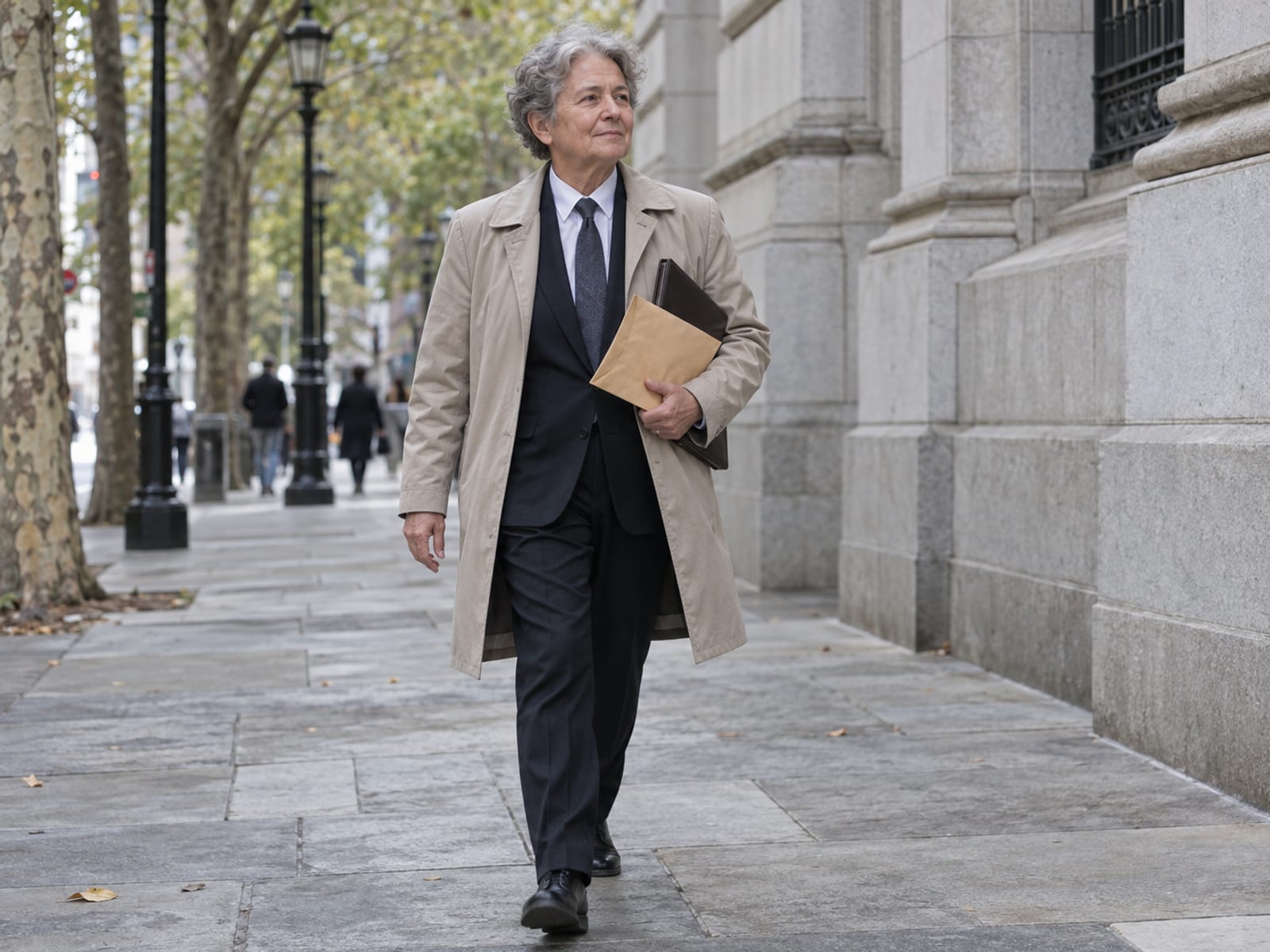
- Start the Marriage Officiant Registration Application online and submit it.
- Print the completed application.
- Sign it in front of a notary, so the signature is notarized.
- Gather the confirmation number, the $15 fee, proper identification, and the supporting documents that prove authority.
- Mail the package to the Manhattan Office of the City Clerk, 141 Worth Street, New York, NY 10013.
The supporting documents depend on the officiant's role. Under the NYC rules on officiant registration, clergy may be asked for an ordination certificate, a license to minister, an appointment letter, a letter from a local congregation, a denominational directory listing, or evidence that they are the recognized spiritual leader of a congregation. Judges and civil officials send proof of office. The City Clerk also publishes a Spanish translation of the application for officiants who read Spanish more comfortably.
Have your officiant apply well ahead, and confirm approval before the ceremony rather than counting on any particular turnaround. NYC311 also describes how to verify a registration, which is a good way to check before the day.
How the one-day officiant license works
The one-day license exists for exactly the situation many couples are in: you want your best friend, a sibling or a parent to marry you, and they have no plans to officiate again. Governor Hochul signed the law on December 28, 2022, and Chapter 68 in 2023 moved the application to the town or city clerk.
Under § 11-D, the applicant must be at least 18, there is no residency requirement, and the fee is $25. State law does not require the applicant to appear in person. The application names the couple, and the license covers that one marriage only; it expires after the ceremony or when your marriage license expires. It gives authority anywhere in New York State, and a one-day officiant does not also need standard NYC registration. The City Clerk's one-day officiant application is the form to follow in the city.
This is also the easy answer for a friend who lives in another state or another country. The New York State Department of Health says an officiant does not have to be a New York resident, and the one-day law has no residency rule.
If your officiant was ordained online
Many friends get ordained online so they can officiate, and in New York City that ordination is the start of the process rather than the whole of it. New York law recognizes a minister of any religion, but NYC still requires registration before the ceremony and documentary proof of authority. The city's rules do not list any online ministry as automatically accepted.

In practice, your officiant should request the ministry's formal credentials, such as an ordination certificate and any letter of good standing it issues, and send them with the registration package. Whether those papers satisfy the requirements is the City Clerk's decision. If your friend would rather skip that question entirely, the one-day license is available whether or not they were ordained.
What has to happen during the ceremony
New York does not require any particular script, religious wording or format. Your officiant can read a poem, tell the story of how you met, lead a ceremony in two languages, or keep it to a few minutes. What the law does require, under § 12, is one moment: the two of you solemnly declare, in the presence of the officiant and at least one witness, that you take each other as spouses. At least one witness besides the officiant must be there.
Everyone involved needs to be in the same place. The NYC City Clerk states that ceremonies by video conference have not been permitted since June 25, 2021.
Your officiant should see your valid marriage license before starting. A ceremony without one, or outside its validity window, can create legal problems.
What the officiant does after the ceremony
Once you are married, the paperwork belongs mostly to the officiant. According to the New York State Department of Health and § 14, the officiant reviews the license, completes the officiant and witness sections accurately, records the date and hour of the ceremony, signs, and makes sure the two of you and your witness sign where required. Then the officiant returns the original license to the town or city clerk that issued it within five days. The state sources say five days; the city's own pages may word it as business days, so confirm the exact deadline when you pick up your license and plan to send it right away either way. A one-day officiant returns the license with the one-day license attached, following the City Clerk's instructions.
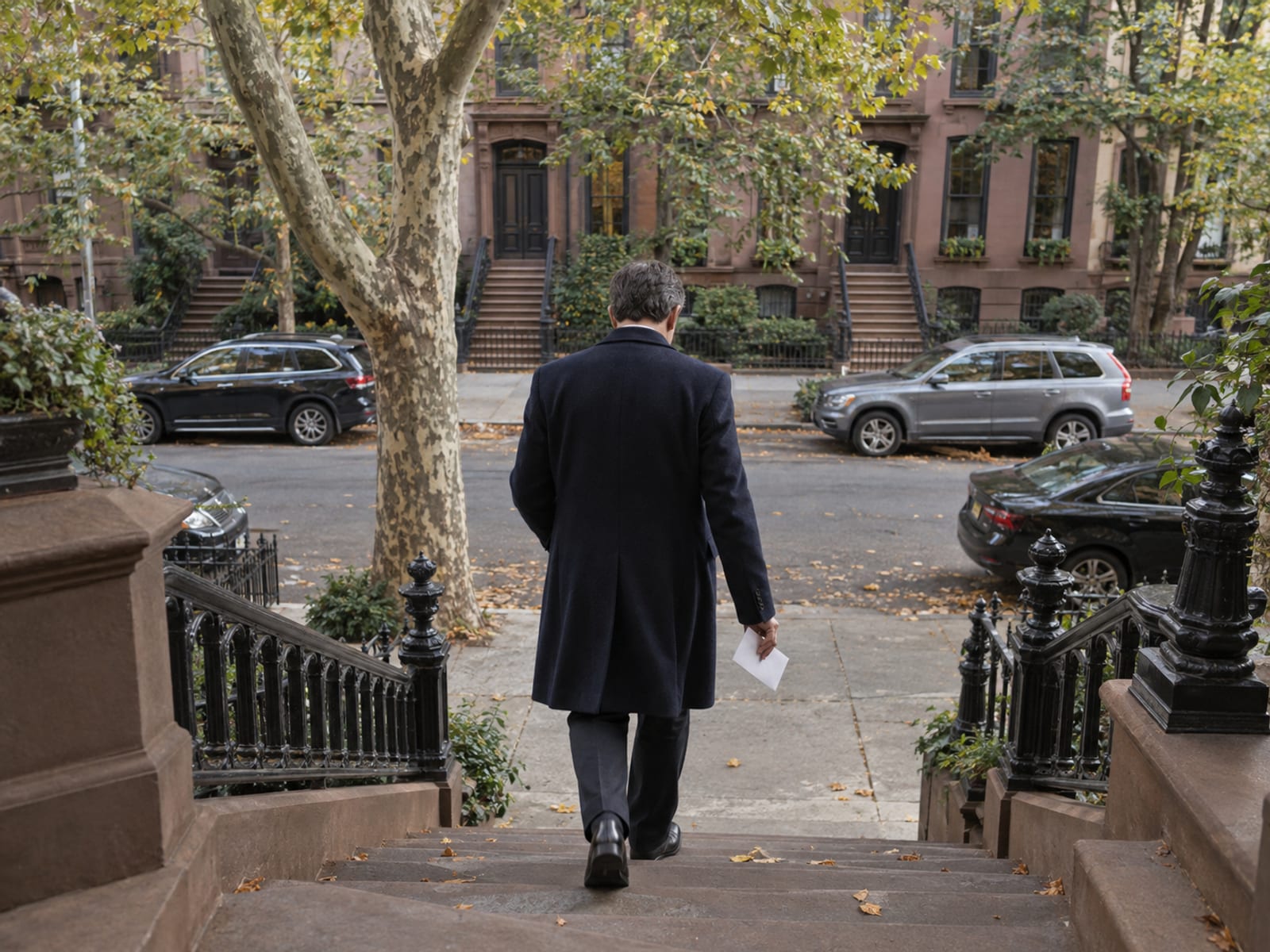
The timing on your side sits around all of this. Under § 13-B, you wait 24 hours after the license is issued before the ceremony, and a standard New York license is valid for 60 days, starting the day after issuance. The date your officiant chooses, and the date their approval arrives, both need to fall inside that window.
A small, practical purchase helps here. A slim document folder with labeled pockets keeps the license, the officiant's credentials, notarized forms and mailing receipts together and dry on the way to a park or a venue. Look for one with separate compartments and a closure that stays shut.
Step by step: from choosing an officiant to the returned license
Tap or hover a step to follow the order.
Get your marriage license
A standard New York license is valid for 60 days, starting the day after issuance (NYSDOH).
Confirm approval
Confirm the registration or license well before the day.
Wait at least 24 hours
The ceremony can happen no sooner than 24 hours after your license is issued (§ 13-B).
The ceremony
You declare that you take each other as spouses in front of the officiant and at least one witness (§ 12).
Sign and record
The officiant completes the officiant and witness sections, records the date and hour, and signs.
Return the license
The officiant returns the original license to the clerk that issued it within five days (NYSDOH).
If the ceremony is outside the five boroughs
Westchester, Long Island and the Hudson Valley are still New York State, so your New York license works there. Standard NYC registration applies only to ceremonies inside the five boroughs, and the Department of Health says NYC City Clerk registration is not required elsewhere in the state; check the local clerk's own requirements. A one-day license works anywhere in New York State.
New Jersey and Connecticut are different. A New York license cannot be used for a ceremony in either state, so you would follow that state's license and officiant rules. New Jersey says Internet ministers may perform marriages there and suggests checking the ministry's authorization, and it also certifies civil celebrants. Connecticut recognizes judges, certain justices of the peace, and ordained or licensed clergy, including online-ordained clergy with authority from their ministry. Those rules belong to those states and do not change anything in NYC.
What a professional officiant costs
If you would rather hire someone, published price lists give a sense of the range. These are examples checked September 27, 2026, not averages or government fees:
- Wedding Officiant NYC lists $200 for a legal signing, $350 for a Manhattan ceremony, $450 for Brooklyn, the Bronx and Queens, and $650 for Long Island and Westchester.
- Everly Studios lists an in-person ceremony package starting at $500 and a photo and officiant package starting at $2,850.
- Dare to Dream lists a simple ceremony and photography package at $1,400.
- NotarEaseNYC publishes 2026 tiers from $99 for a legal signing to $900 for an elopement package.
Prices change, so check the vendor's current page and get what is included in writing. A City Clerk ceremony is a separate option with its own $25 ceremony fee. For professionals who serve the five boroughs, including bilingual officiants, the officiant directory is the place to compare.
Quick check: officiant rules in NYC
Answer every question to check.
Questions couples ask about NYC officiants
Short answers to what comes up after the main rules are clear.
Can our officiant charge us a fee?
Most officiants can, and professionals set their own prices. The exception is a member of the New York State Legislature, who may not charge or receive a fee for performing a marriage.
Does our witness need to be a certain person?
The law requires at least one witness besides the officiant, present during your declaration, and the witness signs the license. Your officiant cannot also count as your witness, so plan for one more person even at the smallest elopement.
Can the same one-day license cover a second wedding that weekend?
No. A one-day license applies only to the couple named on the application, and it expires after that ceremony or when that couple's marriage license expires. A friend marrying two couples would need a separate license for each, or standard registration.
What if we want the City Clerk to marry us instead?
The City Clerk performs its own civil ceremonies at its offices by appointment, so no private officiant or registration is involved. The ceremony fee is $25, separate from the license fee.
Your next step
Decide who you want standing with you, then choose the route: standard registration if they are already clergy or an official, the one-day license if they are a friend or relative marrying only you. Have them start the paperwork early and confirm approval before the day. If you have not applied for your license yet, the NYC marriage license guide walks through the fee, the 24-hour wait and the 60-day window. Planning something small and quick? The NYC elopement guide covers small private ceremonies and the officiants who perform them. And if you would rather hire a professional, start with the officiant directory.
Terms in this guide
Tap a term to see what it means.
Solemnize. The legal word for performing the ceremony that makes a marriage official. Domestic Relations Law § 11 lists who may do it.