It depends on what your day looks like. A simple ceremony at the City Clerk's office rarely needs a planner; the legal steps are yours and the Clerk's, and the rest is a short, happy morning. Help starts to pay off when you add a planned reception, plan from another state or country, rent a raw space, hold the ceremony in a park or on a rooftop, or move between more than one location. The help comes in three levels: full planning (from venue search to the last dance), partial planning (finishing a wedding you've started) and month-of or day-of coordination (running the plan you made). Published NYC starting fees, as posted in September 2026, run from about $1,500 for day-of coordination to $12,000 or more for full planning. National survey averages are lower and are a different measure, covered below.
Key takeaways
Tap a card to bring it forward.
- A simple City Hall ceremony rarely needs a planner; a reception, a raw space, a park or rooftop, several locations or planning from far away is where help earns its fee.
- Published NYC starting fees in September 2026 ran from about $1,500 for day-of coordination to $12,000 or more for full planning.
- National averages from The Knot ($2,100 overall) are not NYC quotes, so ask each planner for a written quote.
- A venue coordinator works for the venue; an independent coordinator works for the two of you and your whole vendor team.
- "Day-of" coordination usually starts weeks before the wedding, so ask when the work begins and how many meetings are included.
- Put permits, assistants, travel, overtime and cancellation terms in the contract before you sign.
Do You Need a Planner? Start With Your Wedding
The honest answer comes from the shape of the day, not from the size of the budget. Walk through the situation that sounds like yours.
A City Hall ceremony. If it's the two of you, a witness and maybe lunch afterward, you can usually handle it yourselves. The marriage license, the waiting period and the ceremony appointment all run through the NYC City Clerk, and no planner can do those steps for you. A planner or package starts to make sense when that morning grows into photos around the city, a car, guests and a dinner somewhere else.
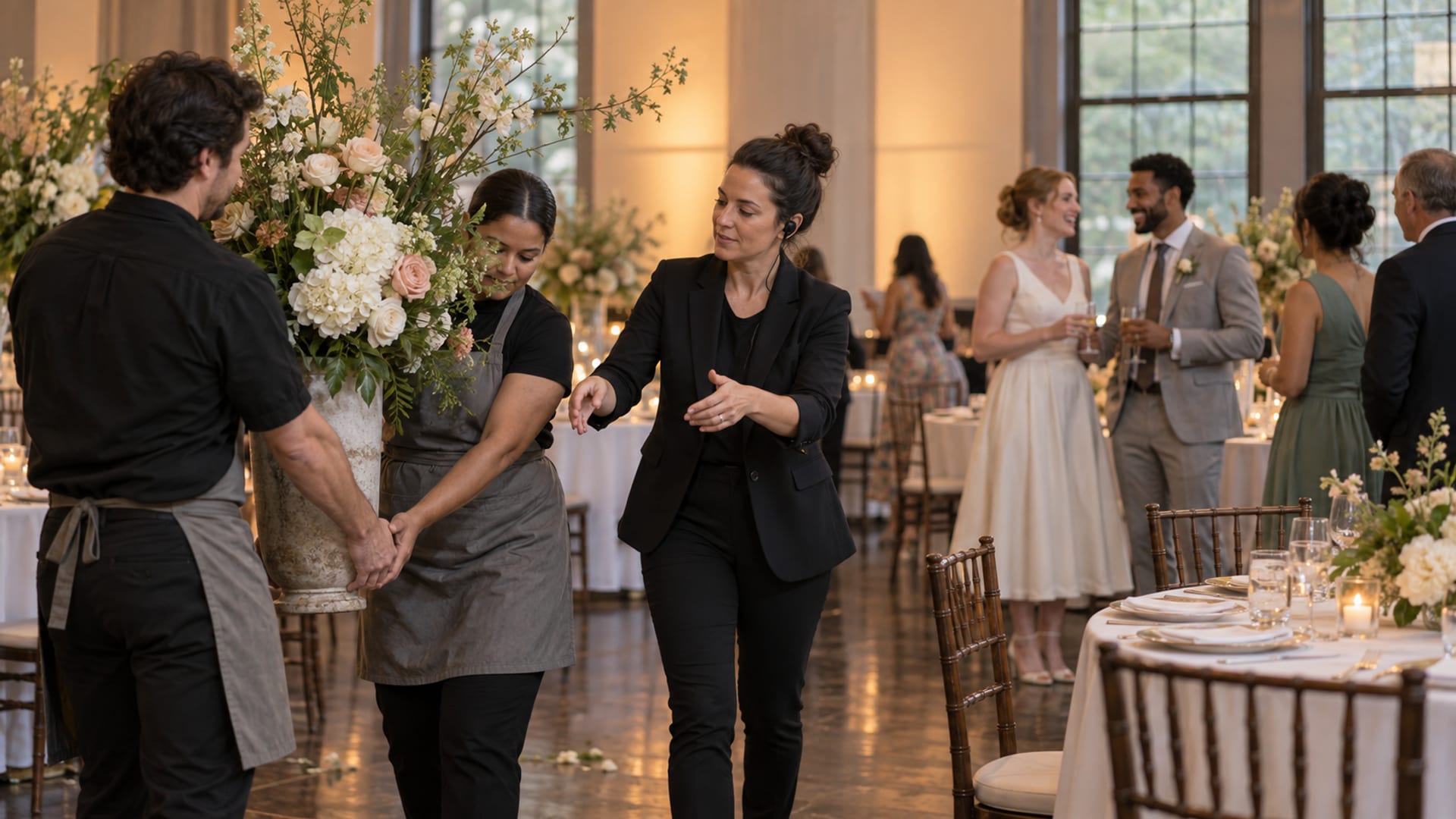
A planned reception. Once there's a venue, a caterer, a photographer, flowers, music and a timeline that has to hold together, someone has to confirm every arrival and answer every question on the day. Without a coordinator, that person is often you, your partner or a family member.
Planning from far away. From another state or country, it's hard to judge how long it takes to get from a Manhattan ceremony to a Brooklyn reception, or what a building expects at load-in. Local help fills that gap.
A raw space, a park or a rooftop. These are the settings where the city itself adds work: permits, fire-safety rules, freight elevators and setup windows. More on that below.
More than one location. A ceremony in one place, portraits in another and a reception in a third means transportation, timing and a plan for rain. That's coordination work, whether you pay for it or do it yourselves.
What a Wedding Planner Costs in NYC
Planner fees in New York are set business by business, and they depend on scope, date, guest count, venue, team size and distance. These published starting prices were posted on each planner's own site and read in September 2026. They change, so treat each one as a starting point and get a written quote.
- Guō Collective: NYC day-of coordination at $1,500, with two months of support, three meetings, one coordinator and one assistant. Travel add-ons apply for New Jersey, Long Island, Westchester and the Hudson Valley.
- Ambar Planning Co.: month-of coordination from $2,000, partial planning from $3,500, full planning from $7,000 or more by custom proposal.
- Hali Lynea Events: day-of coordination from $2,000, partial planning from $4,000, full-service planning from $6,000.
- Tokki Weddings & Events: day-of coordination from $2,500, partial planning from $6,500, full planning by custom quote.
- Stephanie Gatton Events: month-of coordination from $3,500, with most couples spending $3,500 to $4,500; an expanded month-of package generally runs $5,000 to $7,000; a last-minute package is a $2,250 flat fee.
- ARC Weddings: coordination from $3,200, partial planning from $5,500, full planning from $12,000, each listed with a plus.
- MVW Events: micro-wedding partial planning from $6,000 and full planning from $9,500.
Most of these are flat starting fees or custom quotes. Some planners price as a percentage of the total budget or set a minimum, so ask each one which method applies to you and whether the number moves with guest count or venue complexity.
For comparison, The Knot (updated May 13, 2026) reports a national average planner cost of $2,100, with national averages of $3,800 for full-service planning, $2,400 for month-of coordination and $1,600 for day-of coordination. Those figures cover the whole country, so an NYC quote will be its own number.
Hover or tap a bar to see its value.
- Full-service planning$3,800
- Month-of coordination$2,400
- All planners$2,100
- Day-of coordination$1,600
Which Level of Help Fits
The names aren't standardized, and the contract is what counts. Still, the levels line up roughly like this.
| Level | Best fit | When it usually starts |
|---|---|---|
| Full planning | You want help from the first venue tour through the end of the night | Often 12 to 18 months out |
| Partial planning | You've booked some pieces and want help finishing the rest | Partway through planning |
| Month-of coordination | You've planned it all and want someone to finalize and run it | Several weeks before |
| Day-of coordination | You've planned it all and want the day managed | Often weeks before, not just the day |
Published booking guidance ranges from four to six weeks ahead for coordination to 12 to 18 months ahead for full planning. If you already have a venue and most of your vendors, coordination is usually the right starting question. If you haven't picked a venue yet, full or partial planning is where the conversation begins.
What Each Level Actually Covers
Each level covers a different share of the work.
Full planning. Published full-planning services include venue selection, vendor selection, budget management, design, vendor meetings, timelines and full management of the day itself, as described by ARC Weddings and Hali Lynea Events. This is the level for couples who want someone beside them for every decision.
Partial planning. This picks up a wedding already underway. Published examples include vendor sourcing, contract review, design refinement, regular meetings and coordination, according to Ambar Planning Co. You keep the decisions you've made and hand over the pieces still open.
Month-of coordination. Despite the name, it usually starts several weeks out. It typically covers a final review of details, vendor confirmations, building or refining the timeline, directing the rehearsal and running the day.
Day-of coordination. This one often isn't one day either. Guō Collective includes two months of support and three meetings in its package. The coordinator carries out the plan you've made rather than building the wedding from scratch, which is why it costs less than planning.
When a Planner Matters Most in NYC
Some parts of a New York wedding create real production work, and that's where experienced help earns its fee.
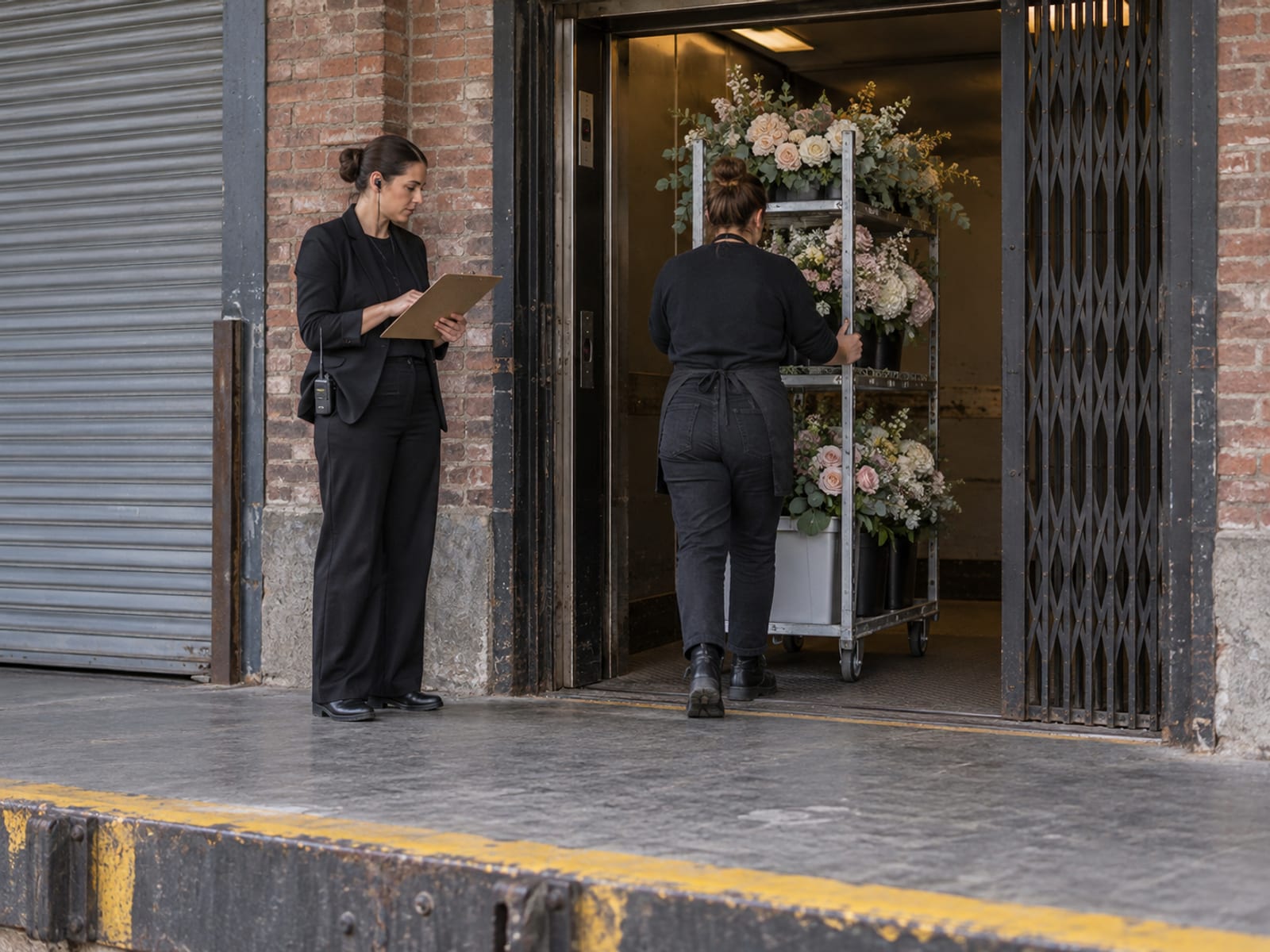
Load-in and venue rules. Many buildings have strict freight elevator times, loading dock access and vendor arrival windows. When several outside vendors arrive at different times, someone has to schedule them and stand at the door.
Parks. NYC Parks requires a special-event permit for events with more than 20 attendees, and a permit can also make sense for a smaller group that wants to reserve a spot, use amplified sound, or bring tents, generators or temporary structures. Apply at least 21 days ahead; the processing fee is $25 and nonrefundable. The park permit guide on this site walks through the application.
Raw spaces and large indoor or outdoor events. The Department of Buildings says a temporary place of assembly certificate may be required for 75 or more people indoors or 200 or more outdoors. NYC Business lists a $250 fee and recommends filing 10 business days ahead. Temporary events can also call for an FDNY F-04 fire-safety certificate holder on site. The loft and raw space guide covers these rules in detail.
Rooftops. Rooftop events can fall under the same assembly rules, plus a weather plan. The rooftop weddings guide on this site covers permits and the backup plan.
Planning remotely. A local planner handles the site visits and vendor meetings you can't attend.
Whether a planner files any of these permits is a service choice, not a given. The rules come from NYC Parks, the Department of Buildings and FDNY, so confirm in writing who files and who pays for each one.
Quick check: planners, permits and venues
Answer every question to check.
Is the Venue Coordinator Enough?
Sometimes, and it's worth asking before you pay for the same help twice. A venue coordinator works for the venue. An independent coordinator works for the two of you.
ARC Weddings describes the venue coordinator as focused on venue logistics and staff, while an independent coordinator manages communication with the couple and the vendor team, cues family and the wedding party, and looks after personal items. Some venues make the distinction for you: Dobbin St includes its own venue manager and coordinators in the rental, handling building operations and bar staff, and it also requires a separate day-of coordinator.
A venue coordinator usually handles venue staff, house rules, the included tables and chairs, catering or bar service, and access to the building. What often falls outside that role is any vendor not on the venue's own team, a separate ceremony location, your full timeline, personal decor, gifts and clothing, family cues, the timing of toasts and dances, and transportation between places. Every venue draws the line differently, so ask for the coordinator's duties in writing and compare them with what your day needs.
City Hall and Elopement Packages
An elopement or City Hall package adds extras around the ceremony; it doesn't replace the legal process. You still get the license and meet the waiting period and ceremony requirements set by the NYC City Clerk and New York State. The City Hall and marriage license guides on this site cover those steps in order.
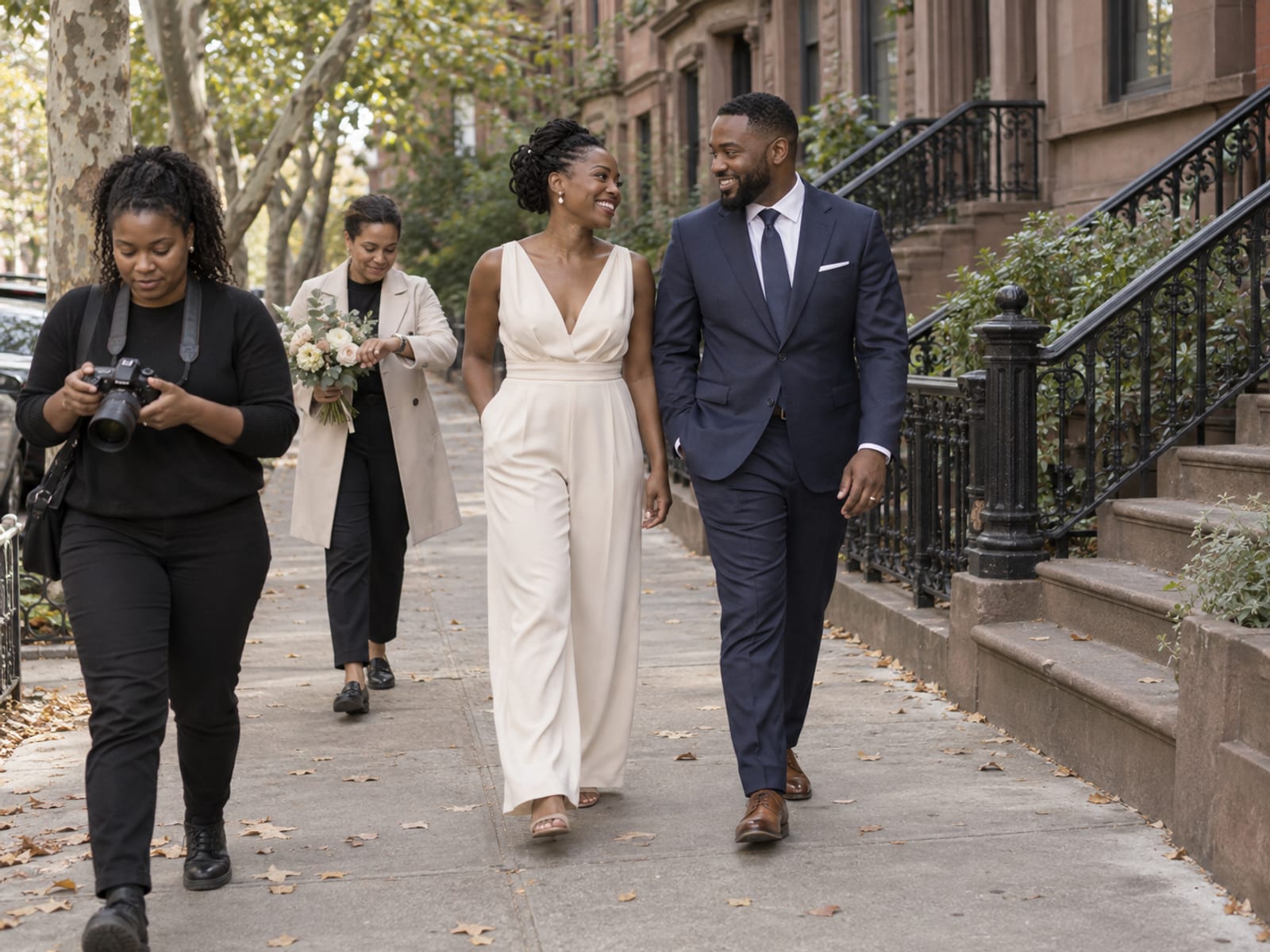
Packages vary widely in what they include. ARC Weddings lists an elopement officiant package from $300 for a simple ceremony with one or two witnesses, in a park, courthouse, rooftop, apartment or small venue, with short-notice dates subject to availability. Wedotoo lists ceremony and photography packages from $850 or $1,050, the higher one including a ceremony written for you, photography, a portrait session, a ceremony-location permit and help getting the license. Wedy lists packages from $2,450 to $3,950, with the higher one including a photographer, officiant, ceremony planning and a dedicated planner. Everly Studios lists elopement and micro-wedding packages from $2,850, covering planning, photography, officiating and legal guidance. These are ceremony packages rather than full planner fees, and prices were read in September 2026.
What to Ask Before You Book
A good planner will welcome these questions, and the answers belong in the contract.
- Fee and scope. Is the fee flat, a percentage of the budget, a custom quote or subject to a minimum? What's included and what's excluded?
- Timing. When does the work begin, and how many meetings and hours are included?
- Team. How many planners and assistants attend on the day? Is a backup planner guaranteed if yours is sick? How many weddings do they take on the same date?
- Vendors. Who communicates with vendors? Can you hire your own? Does the planner receive commissions, referral fees or preferred-vendor incentives?
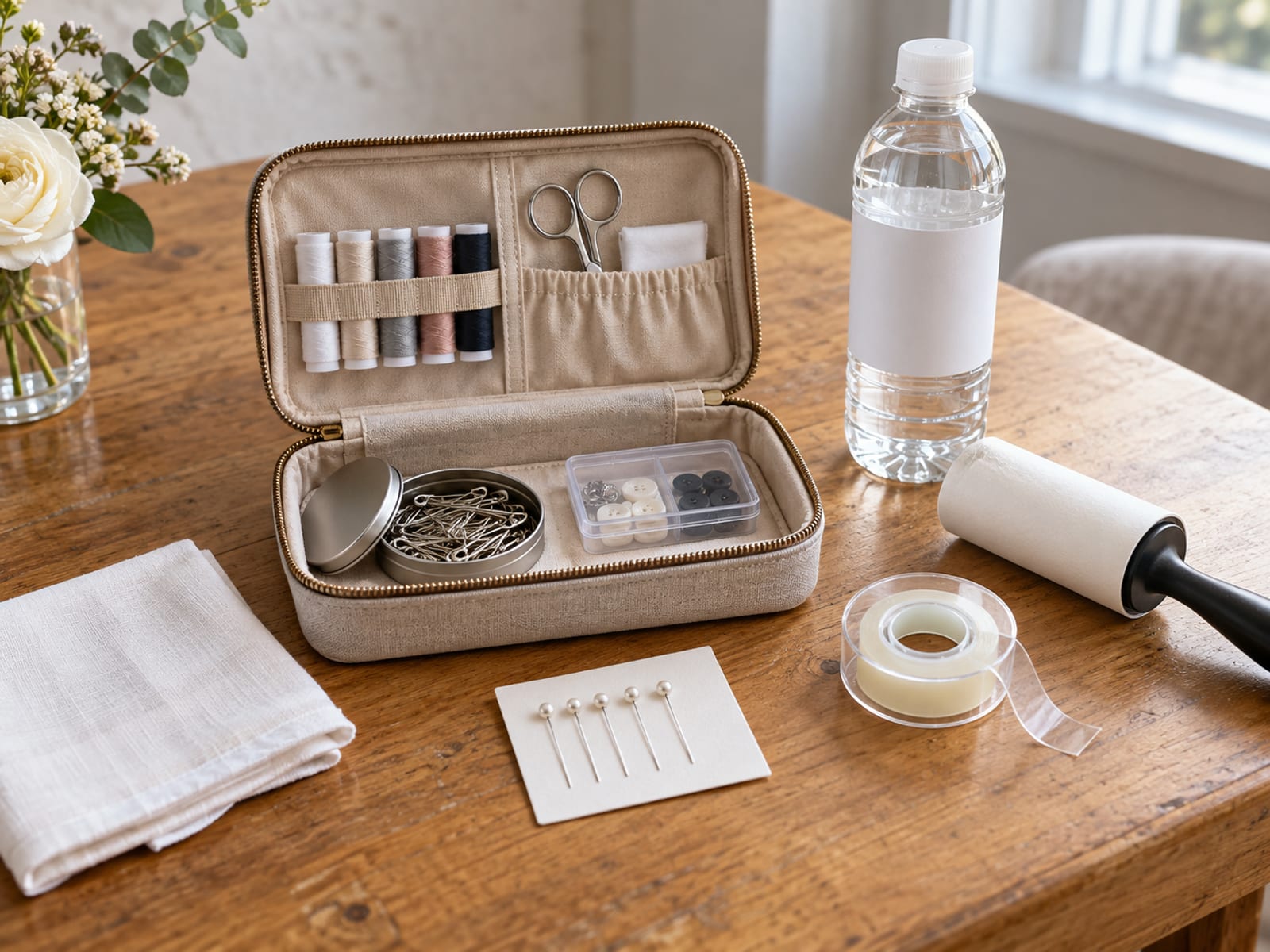
- The day. Who writes and distributes the timeline, runs the rehearsal, handles setup and breakdown, and looks after personal items?
- Contracts and permits. Does the planner review vendor contracts? Do they handle permits, insurance certificates or venue filings?
- Extras. Are travel, parking, tolls, lodging, assistants and overtime extra?
- Changes. What happens if the guest count, date or venue changes? What are the deposit, payment, cancellation and postponement terms?
- Fit. Is the planner insured? How quickly do they reply? Do they work in Spanish or provide translation help? Have they worked in your borough, your type of venue and with its load-in rules?
Keeping every signed contract, permit and certificate together helps when the questions start; a waterproof expanding folder with labeled sections for letter-size papers does the job.
Costs That Sit Outside the Planner Fee
A planner's fee covers the planner's work. The wedding itself is budgeted separately: the venue, catering, rentals, photography, flowers, music, the officiant, transportation, insurance and the marriage license. Permit and certificate fees are separate too, such as the $25 NYC Parks processing fee and the $250 temporary place of assembly certificate where one applies.

Within the planner's own quote, watch for add-ons: extra assistants, overtime past the contracted hours, and travel outside the city. Guō Collective, for example, lists travel add-ons for New Jersey, Long Island, Westchester and the Hudson Valley. The guide to what a wedding costs in NYC puts all of these pieces into one budget.
Questions Couples Ask About NYC Wedding Planners
These are the questions that tend to come up once you start getting quotes.
Do I need a day-of coordinator if my venue already has one?
Often, yes, if you have outside vendors or a separate ceremony location. The venue coordinator focuses on the building and its staff, while a day-of coordinator follows your whole timeline and vendor team. Some venues, such as Dobbin St, require an independent coordinator in addition to their own staff.
How far ahead should we book a planner?
Published guidance runs from four to six weeks ahead for coordination to 12 to 18 months ahead for full planning. Popular dates fill early, so if you want full planning, start looking as soon as you have a season in mind. Some planners also offer a last-minute package, such as Stephanie Gatton Events' $2,250 flat fee.
Does a day-of coordinator bring an assistant?
Some do and some charge extra. Guō Collective's $1,500 package includes one coordinator and one assistant, but that isn't universal. Ask how many people will be on site and for how many hours.
Can a planner get our park permit?
Some planners help, but it depends on the contract. NYC Parks sets the rules, including the permit for more than 20 attendees and the 21-day application window, so confirm in writing whether the planner or the two of you will file and pay.
Your Next Step
Once you know which level fits your day, compare two or three planners side by side with the same list of questions and ask each for a written quote. Browse the planners in the Get Married in NYC directory to find people who work in your borough and your type of venue, then book the consultations.
Terms in this guide
Tap a term to see what it means.
Full planning. Help from venue search to the last dance, including vendor selection, budget management, design, timelines and running the day.