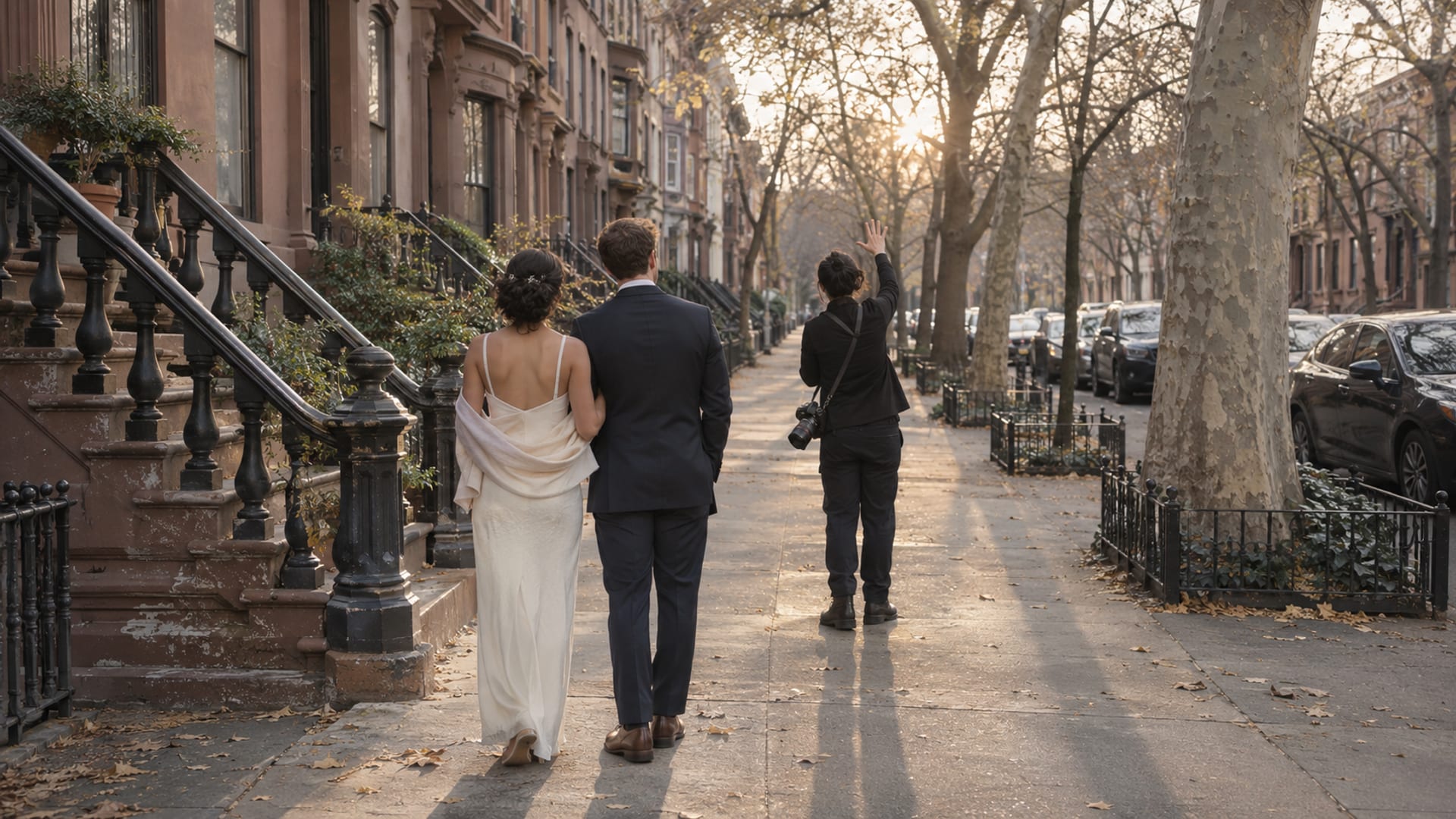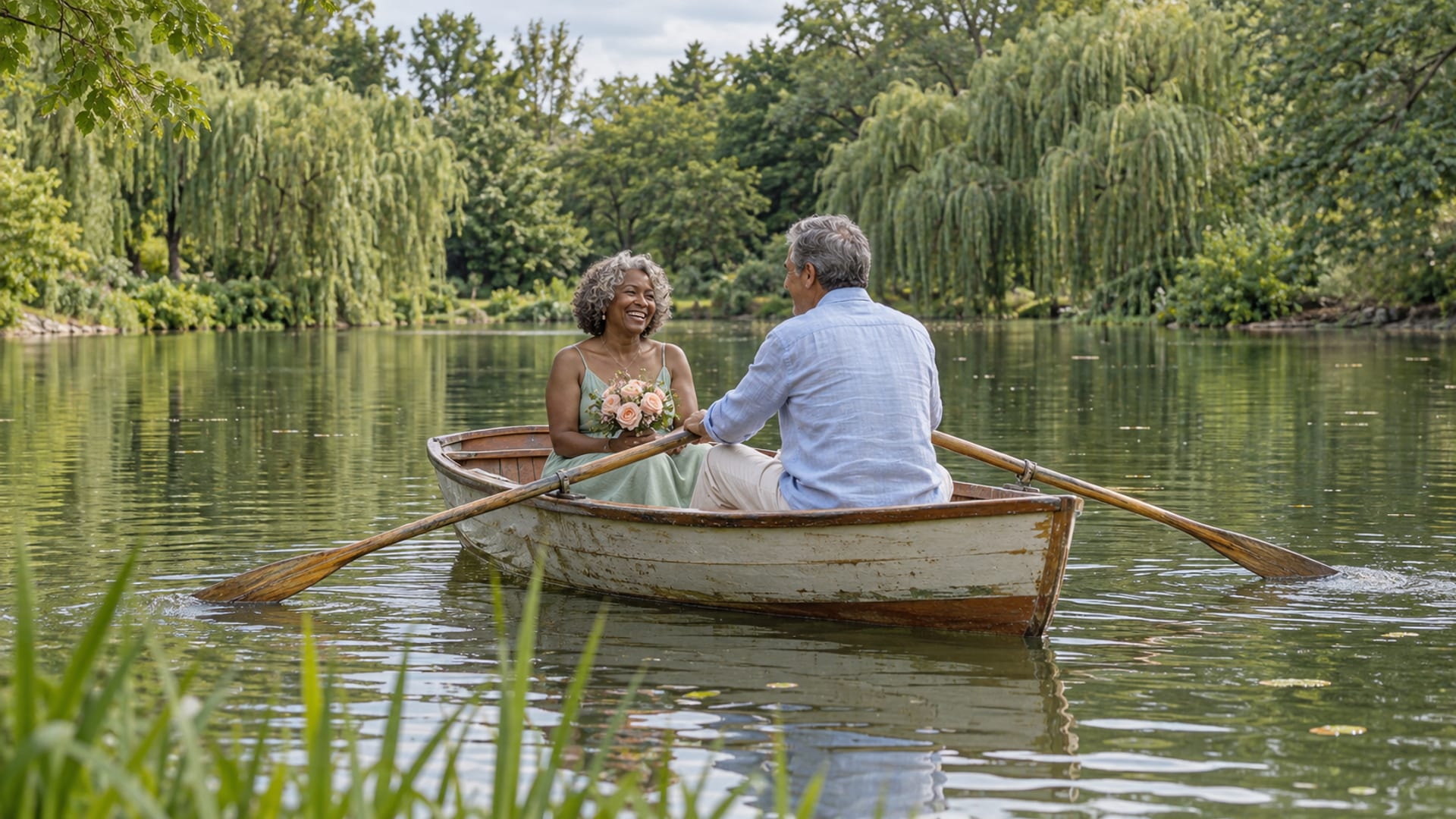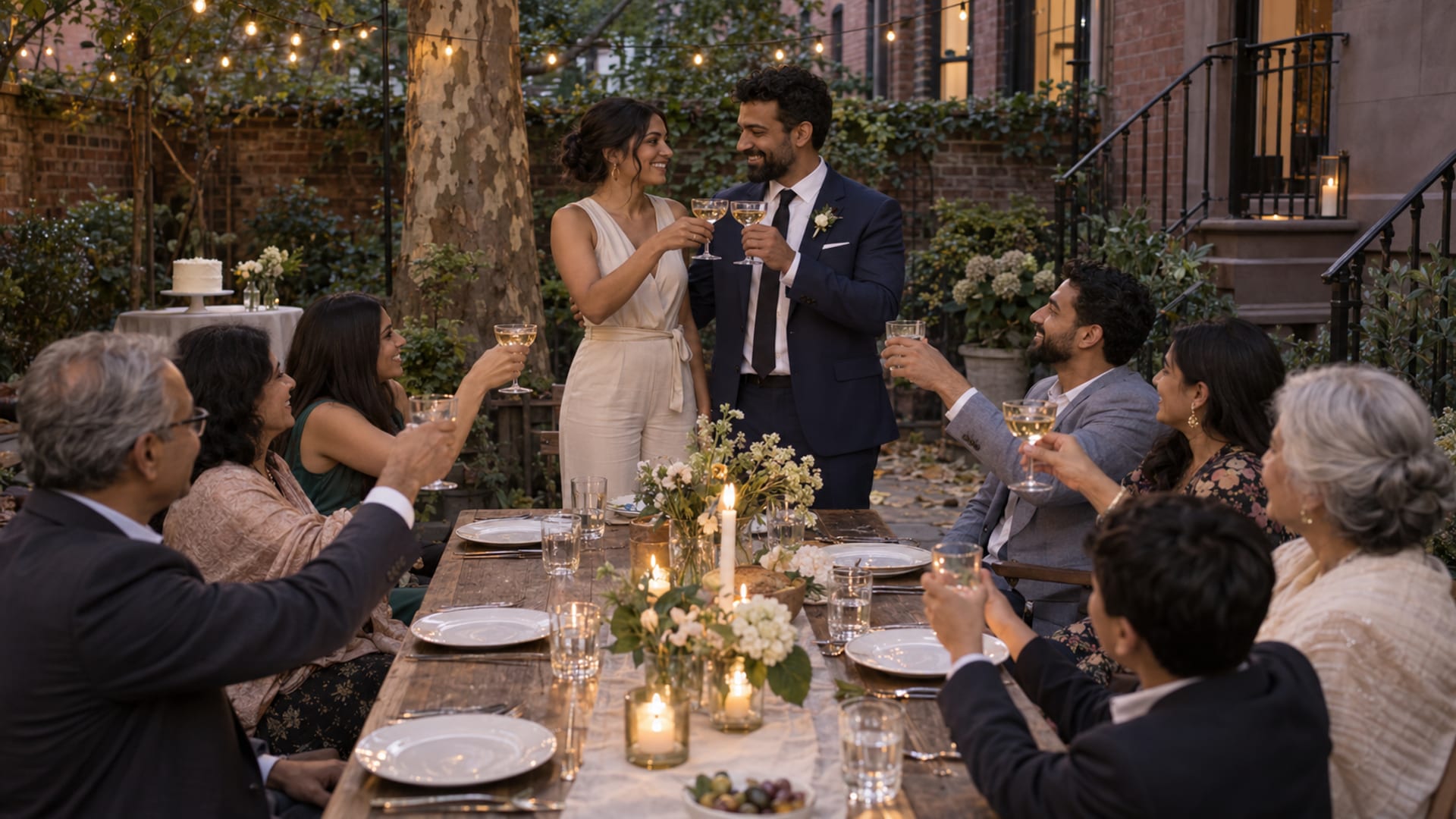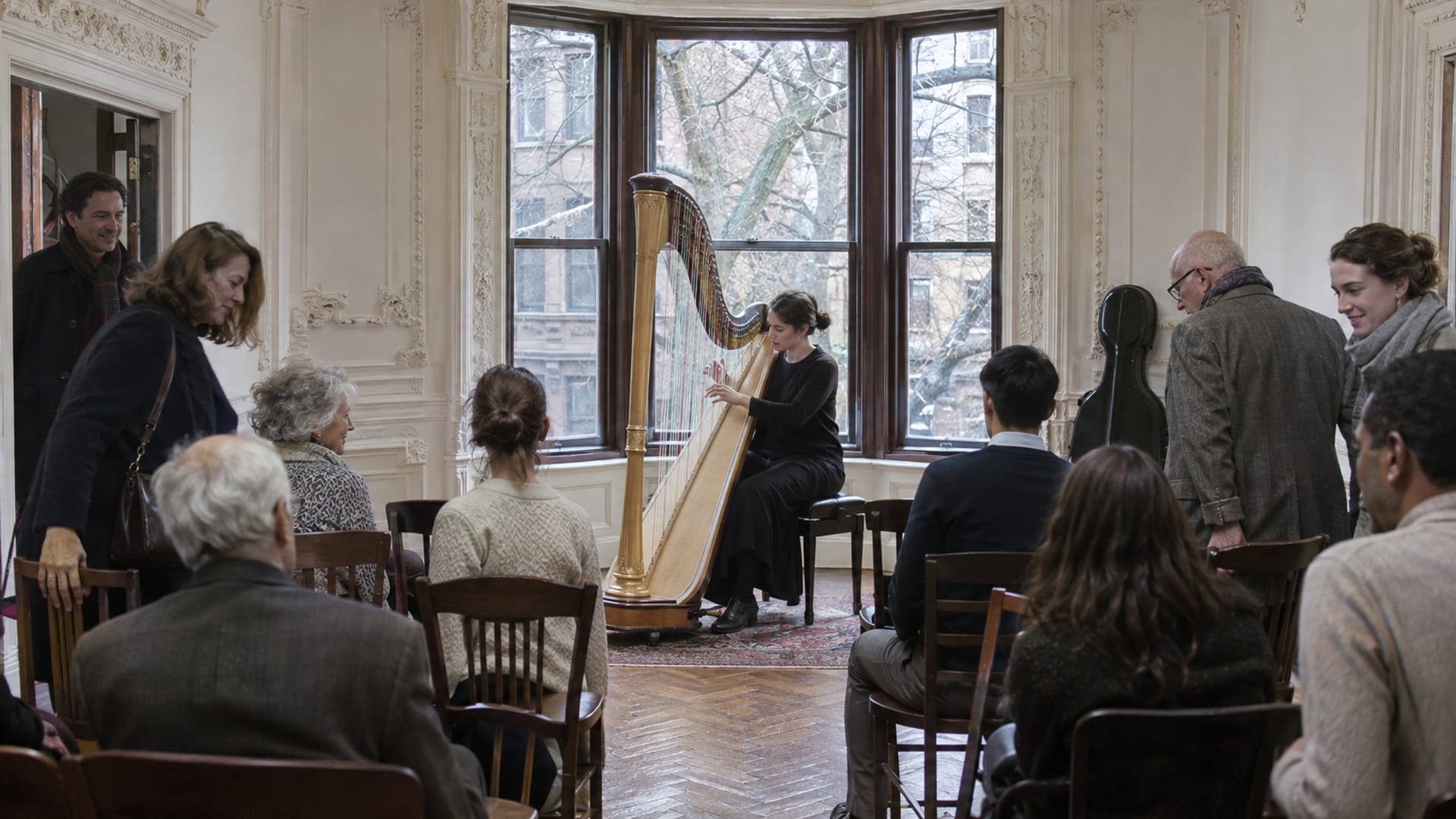
Live ceremony music in New York can be a solo violinist, harpist or guitarist, a duo, a trio or a string quartet. Published starting prices read on November 5, 2026 run from $200 for a basic one-hour cellist package to $1,800 for a 60-minute trio. Other NYC ceremony bookings start at $725 for a violinist and $1,145 for a quartet.
Plan music for four moments: guests arriving, the processional, any signing or ritual, and the recessional. Then confirm the rules for your space. Ask the venue about amplification, power, weather and permits. Central Park's wedding guidance permits acoustic music and prohibits amplified sound.
Key takeaways
Tap a card to bring it forward.
- Pick the format by the size of your space and guest count: a soloist for a very small ceremony, a duo, trio or quartet for a fuller sound.
- Every price you see is a starting price; the quote for your date, hours and location is the one that counts.
- Plan a main song and a backup for each moment: arrival, processional, signing or ritual, and recessional.
- Outdoors, musicians need shade, shelter from rain and, for some groups, at least 60 degrees.
- Central Park allows acoustic music only; other parks and venues set their own sound rules.
- Send your venue the music plan before you pay a musician's deposit.
Which live format fits your NYC ceremony?
Start with the room, or the lawn, and the number of guests. A soloist suits a very small ceremony, such as a City Hall wedding with a handful of guests or an elopement. A duo, trio or quartet adds fuller sound and a wider choice of arrangements as the space and guest list grow.
A string quartet is not always four players. A duo, a trio and a quartet are separate formats, and New York String Quartet lists all three as separate options. A violin carries a clear melody across an aisle. A cello adds warmth underneath it. A harp or guitar gives a softer, quieter feel, and piano works when the venue already has one. Each plays acoustically, so very large or windy spaces may need a bigger group or a plan for how guests at the back will hear.
What do NYC ceremony musicians cost?
Published prices differ because the groups differ: how many players, how long they play, and what comes with the booking. Read each line below as a starting point. Travel, date, equipment, arrangements and taxes can change the final quote.
Tap or hover a row to highlight it.
| Musician or group | Starting price | Time or format stated | Other published terms |
|---|---|---|---|
| Musician or groupIsaiah Free Pennington, cellist | Starting price$200 | Time or format statedBasic package, one hour of prelude and ceremony music | Other published termsReduced pricing may apply for more musicians or time |
| Musician or groupJulie Schatz Music, violinist | Starting price$725 | Time or format statedPrelude and ceremony | Other published termsUp to three song requests and a low-profile sound system included |
| Musician or groupMusic For The Moment | Starting price$1,145 | Time or format statedWedding ceremony starting package | Other published termsCocktail-hour time added at $50 per musician per half hour |
| Musician or groupTribute String Quartet | Starting price$1,800 | Time or format statedTrio, 60 minutes, within NYC | Other published termsOne special-request song included; a quote outside NYC includes travel |
| Musician or groupWedding Band NYC | Starting priceAs low as $1,400 | Time or format statedCeremony music | Other published termsQuote depends on location, date and rough schedule |
| Musician or groupIndustry price survey | Starting price$300 to $1,600 solo; $1,100 to $5,000 quartet | Time or format statedOne-hour ceremony | Other published termsA range across the market, not one musician's quote |
Ask three things before comparing two quotes. Is the time counted from arrival, setup or the first note? Does the prelude count toward the minimum? How many musicians are included? A low number with a short minimum can cost more per minute than a higher number with more music in it.
How many songs do you need, and when?
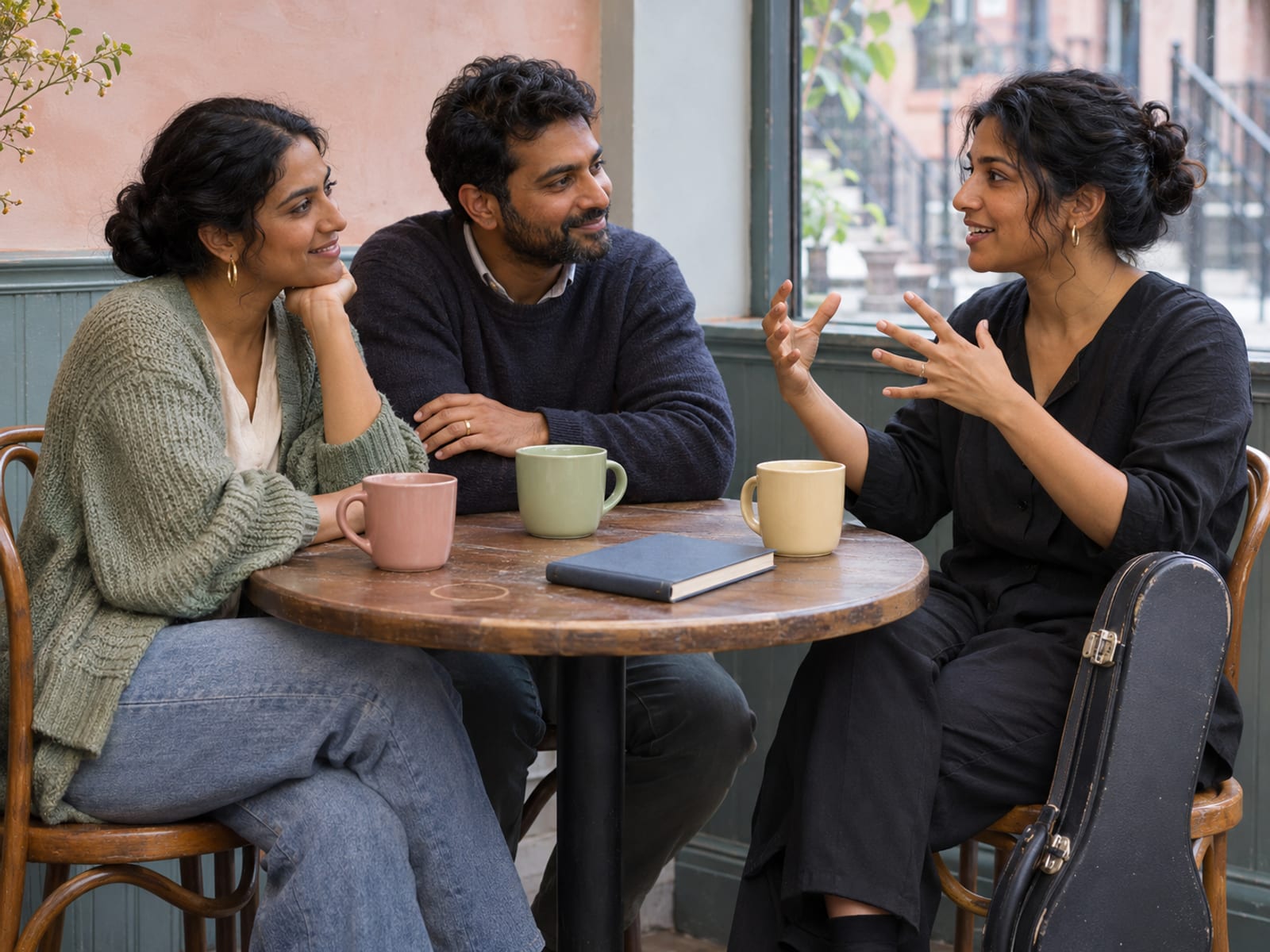
The ceremony timeline decides the number, and the finished length matters more than the song count. Planning sources describe these moments:
- Prelude: music while guests arrive and sit. One ceremony music guide describes 20 to 30 minutes and roughly eight to ten tracks, while others describe shorter preludes. Use the real guest-arrival time instead of a fixed number.
- Processional: music for the wedding party and for the two of you. You can use one piece for everyone or a separate piece for your entrance.
- Signing or ritual: music while you sign the license or register, light a candle, or hear a reading. Include it only if your ceremony has that pause.
- Recessional: usually one celebratory piece as you leave together.
- Postlude: optional music while guests move or wait for photographs.
A practical starting plan is 15 to 30 minutes of prelude, one or two processional pieces, an interlude only if there is a pause, and one recessional. Choose a main song and a backup for each moment. The backup covers a late arrival or a longer walk than you expected.
Ceremony music, moment by moment
Tap or hover a step to follow the order.
Prelude
Music while guests arrive and sit; 15 to 30 minutes is a practical starting plan.
Processional
Music for the wedding party and for the two of you, as one piece or two.
Signing or ritual
Music while you sign, light a candle or hear a reading, only if your ceremony has that pause.
Recessional
Usually one celebratory piece as you leave together.
Postlude
Optional music while guests move or wait for photographs.
How do you choose songs, and can musicians learn yours?
Choose by mood, the length of the aisle and the language or tradition you want to honor. A lyric that works on a recording can read differently in an instrumental version, and a religious or interfaith ceremony may call for specific pieces. Tell the musicians where the cues fall, and ask who will signal them: the officiant, the planner or a friend near the entrance.
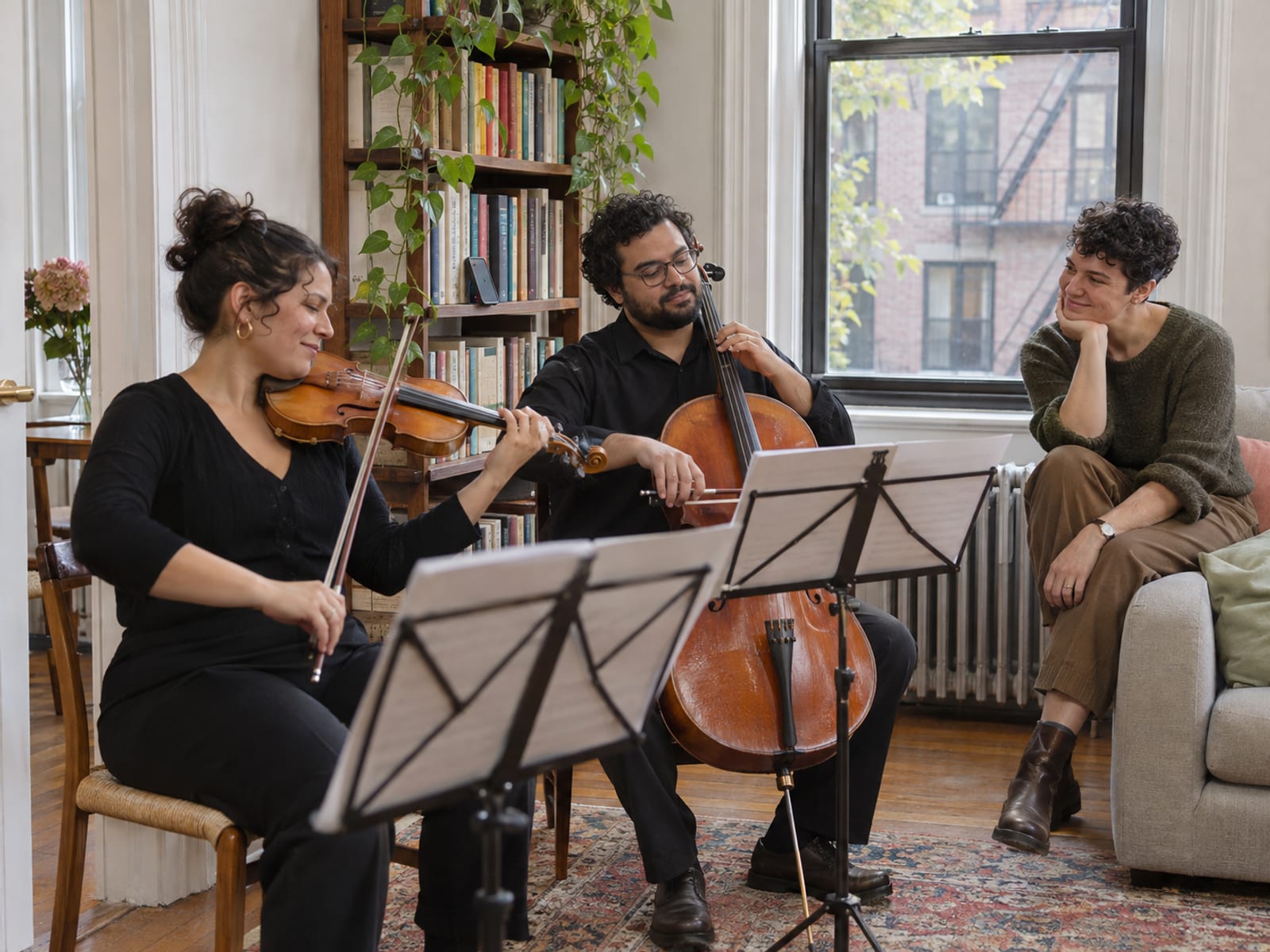
Most groups take requests, and the terms vary:
- Tribute String Quartet includes one special-request song in its starting trio price and asks for 30 days' notice when a song needs a new arrangement.
- New York String Quartet lists custom arrangements at a flat $99 per song.
- Four Seasons Ensemble accommodates most requests and can arrange unavailable sheet music for an additional fee.
- Highline String Quartet helps couples curate their selections, and a friend or relative who wants to play along may need a brief rehearsal fee.
Pop, film, Broadway, Latin and Spanish-language requests are common asks. Send the song titles early and ask whether an arrangement exists or must be written, and what each costs.
Can your musicians play outdoors?
Often yes, with conditions. Wooden string instruments react to damp and cold, so musicians set weather terms of their own. Highline String Quartet asks for complete shelter in rain or drizzle, shade in summer and at least 60 degrees. Four Seasons Ensemble says it cannot play outdoors in rain, drizzle or below 60 degrees. New York Ceremony Music asks for protection from direct sun and rain.
These are individual policies, not city rules, so ask your musician for theirs in writing. Book shade and a covered or indoor backup space before the weather forecast makes the decision for you. Agree on who decides to move indoors and by what time, and confirm that the musicians can set up in the backup space.
What do NYC parks allow for ceremony music?
A wedding ceremony in a city park needs a permit, according to NYC Parks. The permit covers the event; sound is a separate question. Amplified sound is allowed only in parks where it is permitted, and where it is allowed, it is limited to four hours. An electric sound system requires an NYPD sound permit. The application is filed in person at the local precinct, ideally at least five days before the event, and the fee is $45.
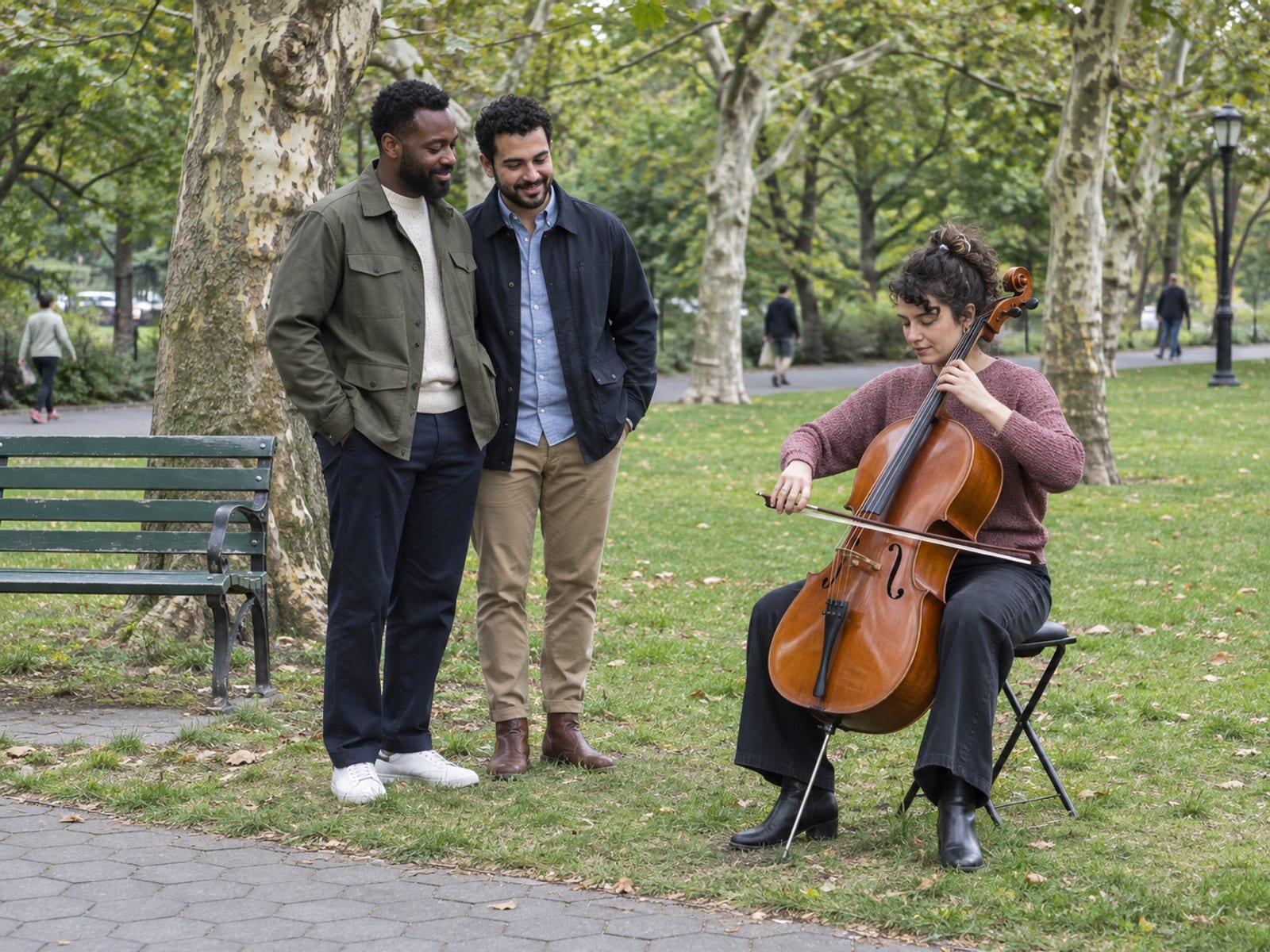
Central Park is the clear acoustic-only example. Its wedding guidance says a permit is required for 20 or more attendees, the application fee is $25, processing takes 30 days, acoustic music is permitted and amplified sound is not. If a musician's package includes a sound system, ask whether it is amplified before you book for a park like this.
For the permit steps, see getting a park ceremony permit in NYC. For sound permit detail, read amplified music and noise rules. For the location itself, see getting married in Central Park.
What does your venue need to approve?
Every venue sets its own rules. Send the music plan in writing and ask about each of these:
- Whether live music, recorded music or both are allowed
- Whether amplification, microphones and speakers are allowed, and who supplies them
- Power: how many outlets, where they are, and whether an extension cord is available
- Setup and load-in time, and where musicians can enter
- The ceremony end time, including any sound limit
- Insurance, and whether the venue wants a certificate of insurance from the musician
- Where music moves if the weather changes
Venues differ widely. Old Westbury Gardens, for example, says soft live or recorded music is acceptable, has two grounded 120-volt receptacles, offers an extension cord on request, and does not provide an amplification system. A Brooklyn church wedding guide says recorded music in the sanctuary must be arranged with the minister of music, and non-staff musicians need music approval.
If you plan recorded music instead, ask the venue who holds the public-performance license. BMI says businesses need permission to publicly perform music in its catalog, and the venue may already have it. A personal streaming subscription is not a public-use license. Recording or livestreaming the ceremony can raise separate rights questions, so ask about that too. To compare recorded music from a DJ with live players, read DJ or live band for an NYC wedding.
What goes in the musician's contract, and when do you book?
Ask for a written agreement before you pay a deposit. It should name the ensemble and hours, the songs and requests, the arrival and setup time, the equipment each side supplies, and the travel charge. It should also state the deposit, the balance due date, the cancellation and rescheduling terms, what happens if a musician has to be replaced, the weather plan and the backup space.
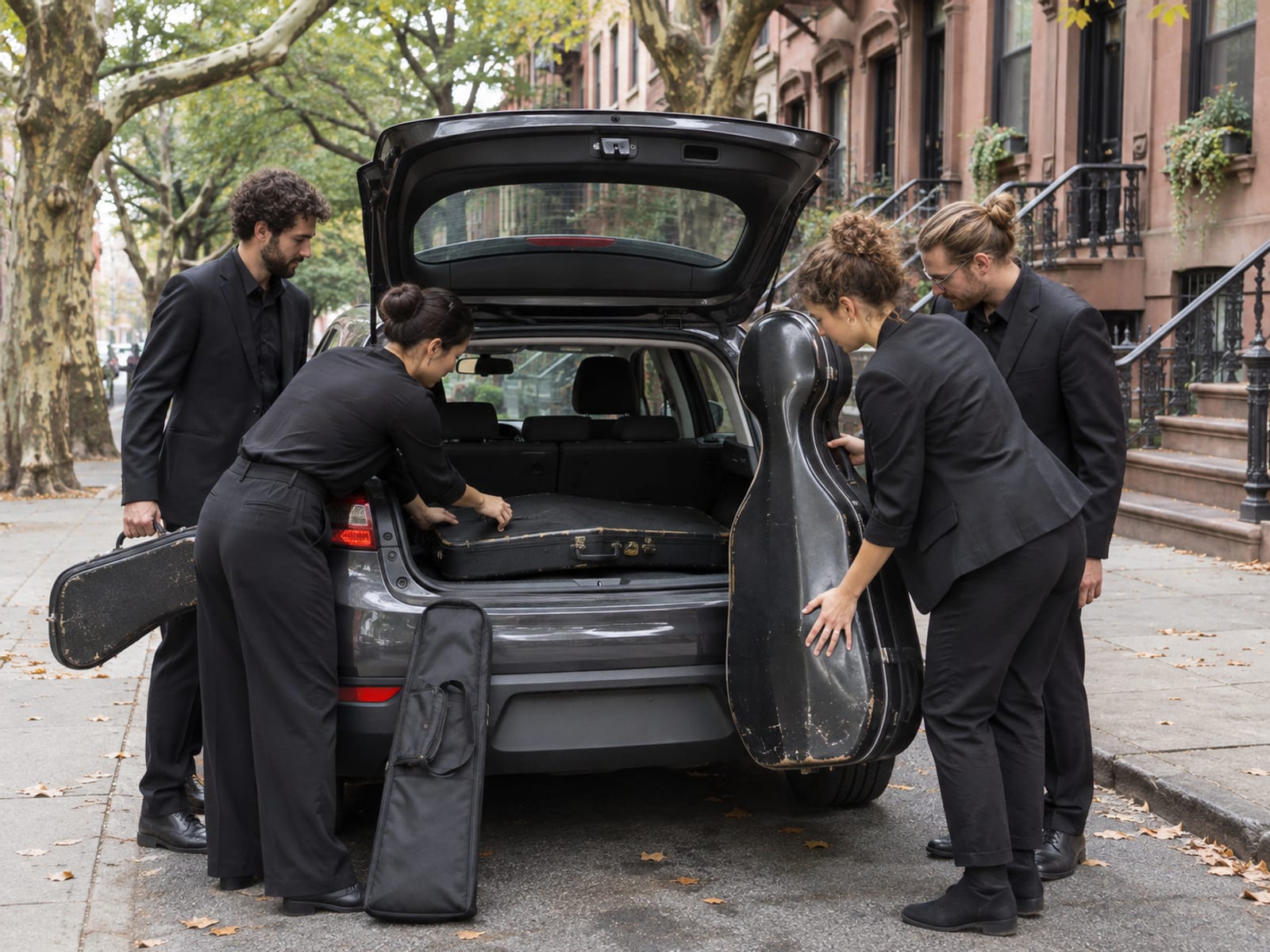
Deposits are common. Highline String Quartet collects a 20 percent non-refundable deposit to hold the date, then sends a song-selection form as the event gets closer. For travel, Four Seasons Ensemble says there is no travel charge within an hour's drive of Manhattan, with fees beyond that based on distance.
Book once your date and location are set, and sooner for peak dates or custom arrangements. Four Seasons Ensemble recommends booking as early as possible, especially for peak dates. Do not treat a permit deadline as your musician deadline: a five-day or 30-day permit window says nothing about when a musician's calendar fills. A folder or binder with tabs for contracts, song lists, permits and venue rules keeps these papers in one place on the day.
Quick check: ceremony music
Answer every question to check.
Questions about ceremony music in NYC
Do musicians bring their own amplification?
Not always. Some groups play acoustically, and others bring a small sound system. Ask who supplies microphones and speakers for the officiant, readings and vows, because a string group alone will not amplify a spoken word.
Can a quartet play modern songs?
Many groups accept special requests, from pop to film music. Arrangements may need advance notice or an extra fee, so send titles as soon as you book.
How many musicians do you need?
A soloist may suit a very small ceremony. A duo, trio or quartet gives progressively fuller sound and a broader choice of arrangements, so match the group to the size of the space.
Does a park ceremony need a permit?
NYC Parks says wedding ceremonies in city parks require a permit. Amplified sound may also need a separate NYPD sound permit, so confirm both with the park permit office and your precinct.
Your next step
Write down your ceremony location, guest count and timeline, then list the moments that need music with a main song and a backup for each. Email your venue with the music plan and ask the questions above. Once the venue answers, send the same brief to two or three musicians and ask for a written quote tied to your date, hours and location.
Terms in this guide
Tap a term to see what it means.
Prelude. Music while guests arrive and sit.